Castlevania: Circle of the Moon
Castlevania: Circle of the Moon
Description (IGDB)
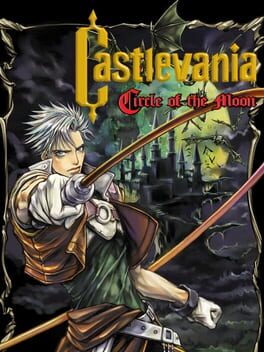
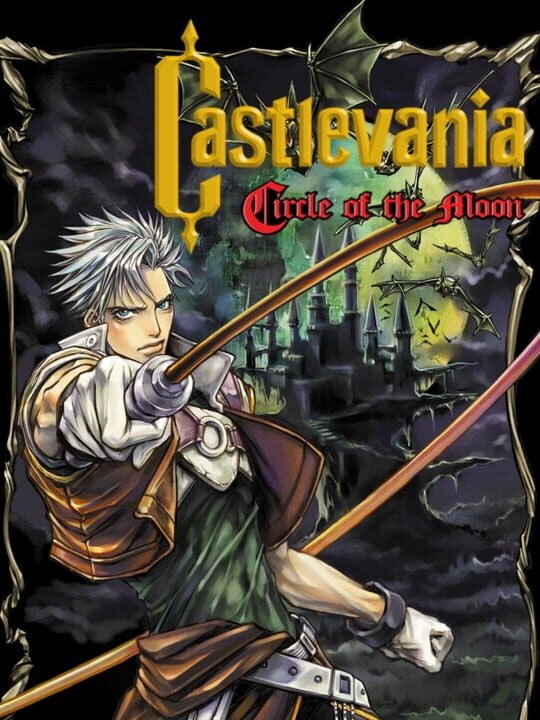
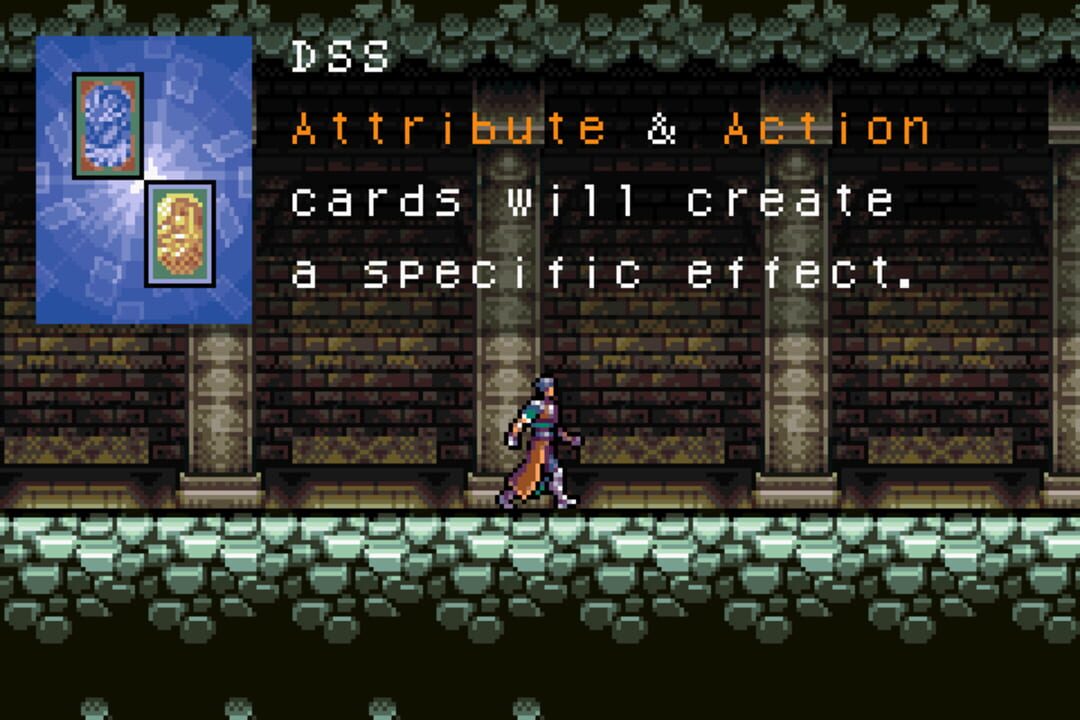
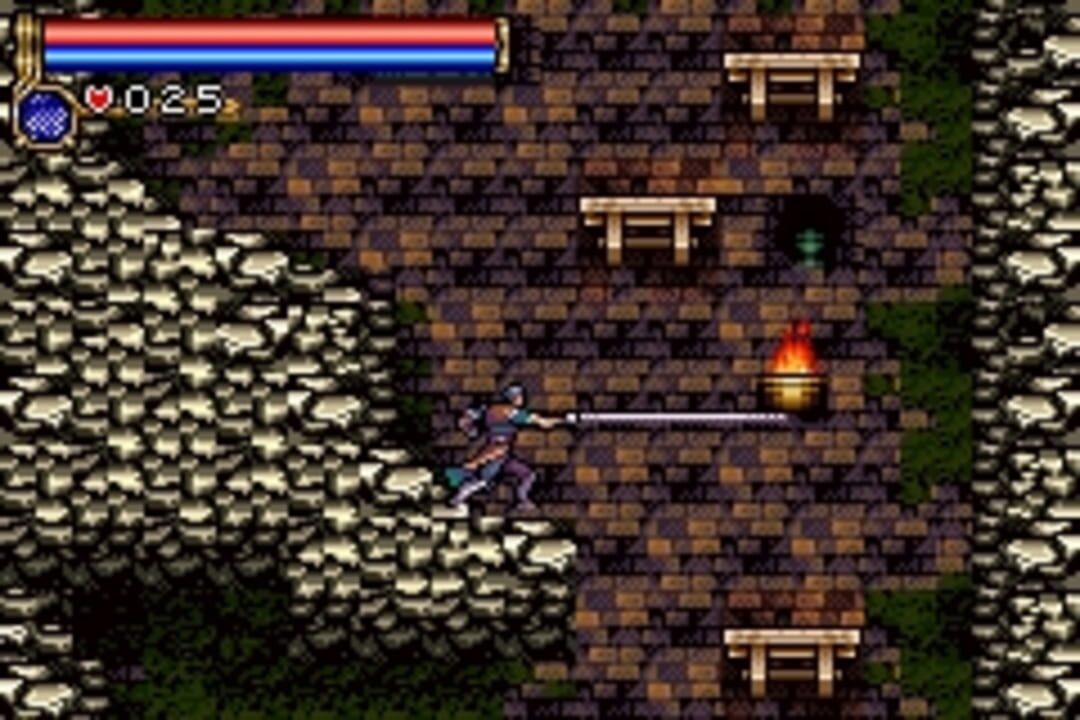
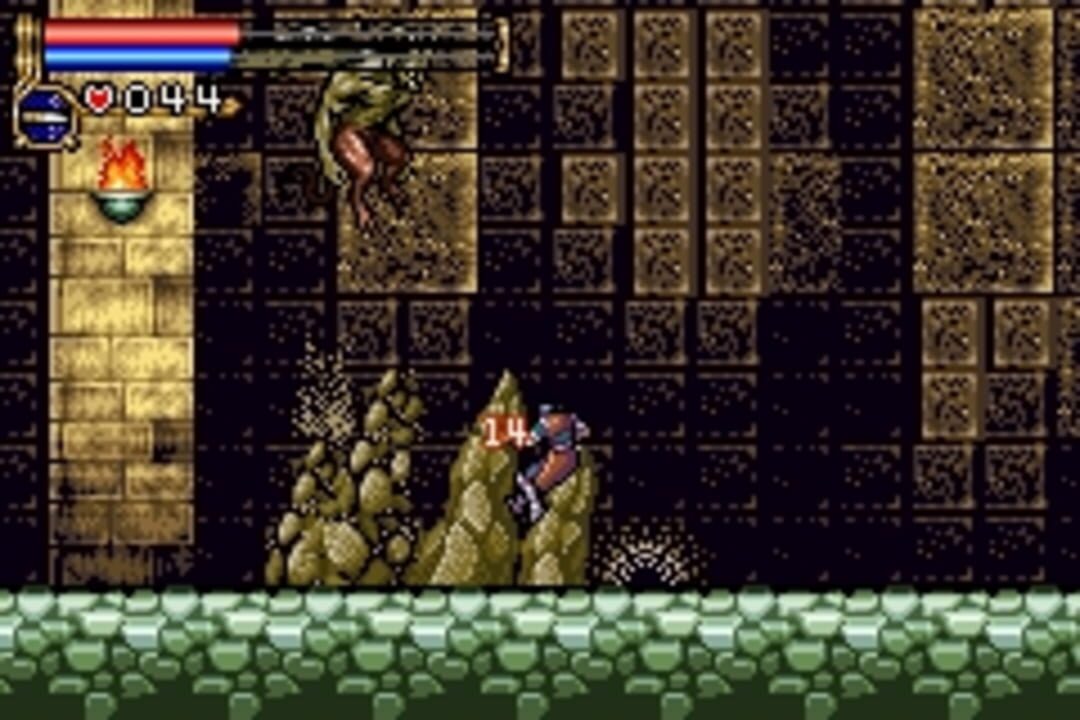
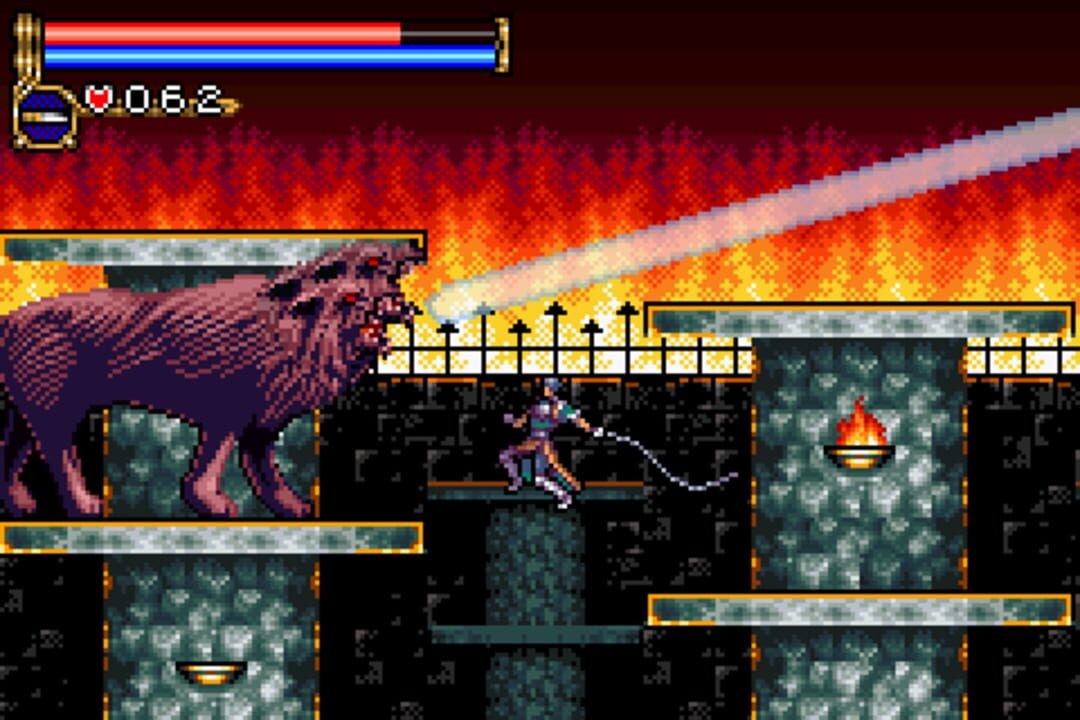
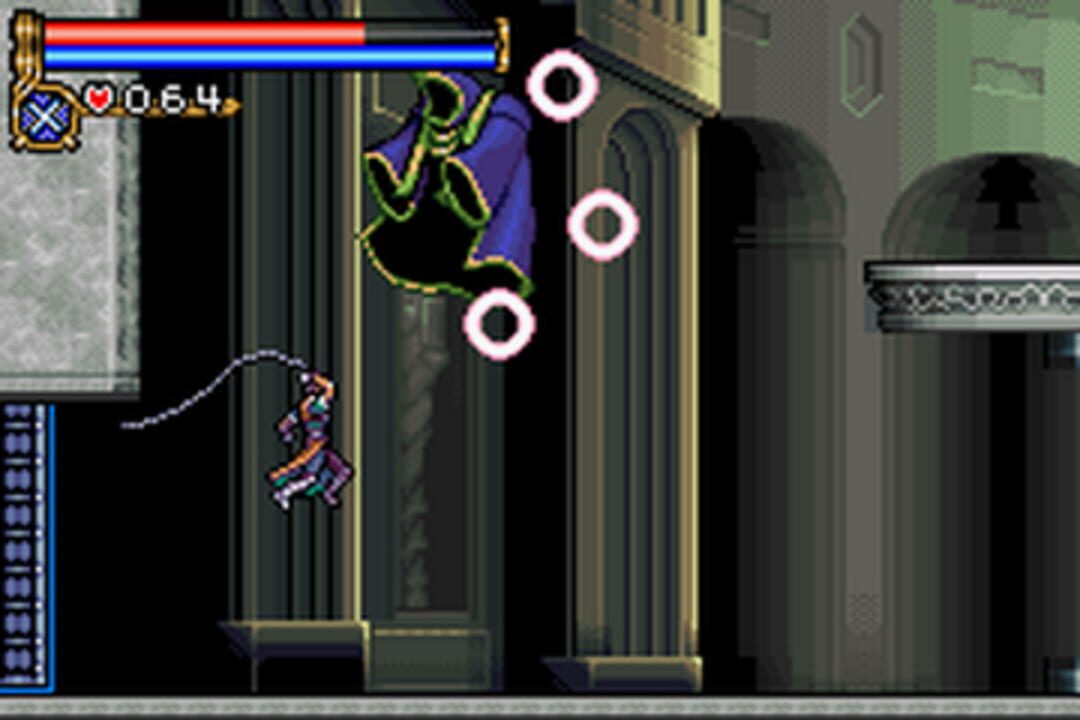
Castlevania: Circle of the Moon is the first of the series to be based on the action/RPG structure of Castlevania:Symphony of the Night rather than the level-based action style of all previous Castlevania games. Dracula's castle is a single continuous building, and as Nathan discovers artifacts within it he gains new abilities that allow him to explore more of it. While Nathan can only use his Killer Whip as a weapon, he can find and equip different kinds of armor and accessories that change his stats. Unique to this entry in the series is the Dual Set-up System, where a combination of two cards will give Nathan unique magical abilities. For example, equipping a fire type card with a whip card will give the Killer Whip a fire attribute, while equipping it with a summon card will let Nathan summon a fire demon to attack onscreen enemies.
Histoire (IGDB)
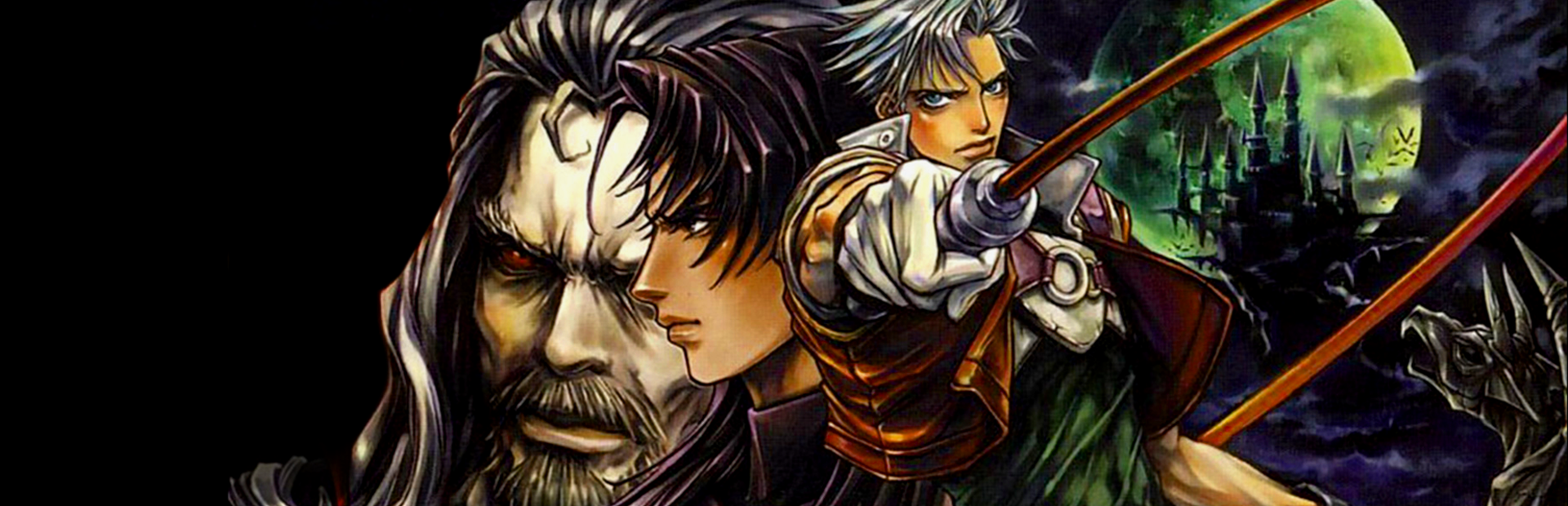
Taking place in 1830, Circle of the Moon is set in one of the fictional universes of the Castlevania series. The premise of the original series is the eternal conflict between the vampire hunters of the Belmont clan and the immortal vampire Dracula. Circle of the Moon's protagonist, however, is Nathan Graves, whose parents died a decade ago to banish Dracula. Morris Baldwin, who helped in Dracula's banishment, trained him to defeat Dracula and the monsters; Morris ultimately chose him as his successor and gave him the "Hunter Whip", to the displeasure of Hugh, Morris' son who trained alongside him. At an old castle, Camilla, a minion of Dracula, revives him, only to be interrupted by the arrival of Morris, Nathan, and Hugh. Before they are able to banish him again, Dracula destroys the floor under Nathan and Hugh, causing them to plummet down a long tunnel. Surviving the fall and wishing to find his father, Hugh leaves Nathan behind. Nathan proceeds to search the castle for his mentor. Along the way, he learns that at the next full moon, Morris' soul will be used to return Dracula to full power. He also periodically encounters Hugh, who becomes more hostile as the game progresses. Eventually, Nathan encounters Camilla, who hints that she and Dracula are responsible for the changes in his personality. Nathan vanquishes Camilla in her true form and meets up with Hugh once more. Upon seeing him, Hugh immediately attacks him with the goal of proving himself to his father through Nathan's defeat; Nathan, however, realizes that Dracula is controlling Hugh. Nathan defeats him, and Dracula's control over Hugh breaks. Confessing that he doubted his self-worth when Nathan was chosen as successor, Hugh tasks him with Morris' rescue. Arriving at the ceremonial room, Nathan confronts Dracula, who confirms that he had tampered with Hugh's soul to cause the changes in his personality. They begin to fight and halfway through, Dracula teleports away to gain his full power. Hugh then frees his father and tasks Nathan with Dracula's banishment. Nathan continues the battle and defeats Dracula; escaping the collapsing castle, he reunites with Morris and Hugh. Nathan is declared a master vampire hunter by Morris. Hugh vows to retrain under Morris due to his failure.
Description en cours d'enrichissement.
Médias
Avis des critiques et joueurs
Critiques de la Presse (Metacritic)
« Set against a myriad of beautifully rendered 2D environments, the detailed visuals convey a feeling of dread. »
« 2D adventure gaming at its best. »
« I loved Castlevania: Circle of the Moon, as I've loved every other Castlevania game. The gameplay, which is the most important factor in a game, is right on. »
« One of the best games of the year on any platform. »
« Picks up where "Symphony of the Night" left off and stands out as one of the best portable adventures ever created. »
« This is by far the best Gameboy Advance game that I've played so far, and to top this would be a Herculean feat. »
« With it's astounding gameplay and unbelievable fun factor, it's a game you won't want to put down, even when given it's slight graphic downfalls. »
« The best GBA game so far, and it'll keep you busy for a long time. »
Avis des Joueurs (Metacritic)
« Rather difficult entry in the series, final boss is unbeatable without grind. Even if it is the worst Castlevania on GBA, it is still very good and worth playing title. »
« El Castlevania de la saga Advance que nunca termina de encajar ni de articular unas mecánicas verdaderamente sólidas. Como título de lanzamiento de la consola fue un momento brillante, pero hoy se percibe claramente como un producto de su tiempo, casi un documento histórico. Su sistema de cartas resulta complejo y poco intuitivo, y no fomenta un aprendizaje orgánico del jugador. A esto se suma un diseño tosco, escasa rejugabilidad y una dificultad elevada incluso para los estándares de la serie: no tanto por el reto, sino por lo obtuso del conjunto. Un título que, desafortunadamente, queda reservado a los fans más acérrimos —entre los que me incluyo—, capaces de disfrutarlo pese a reconocer claramente sus carencias. »
« A difficult game compared to other Castlevania games. Limited items and powerful enemies make this game even more challenging to complete. The DSS gameplay system also adds to the unique and engaging feel of this game. When you finish this game, you feel very relieved and happy. »
« not as awesome as symphony of the night(what is?), this is still superb in the series!! »
« Acho que nesse game, ainda estavam tentando entender como seria o Castlevania do GBA, então apesar de ser mais novo que SOTN, ele carrega mecânicas antigas, o que não é necessariamente ruim, é nostálgico. Pra mim é um bom jogo, mas não é tão memorável. »
« Para mí fue algo mixto, no me gusto el sistema de cartas (bastante aleatorio) además es muy desbalanceado, pero la música es genial y explorar el castillo también, tiene buenos jefes y la variedad de enemigos es muy grande. »
« This is a very solid title especially for being a launch title for the gba. This game does a lot well like great music, the DSS system is good but could do with some improvements. The game is rather difficult compared to other entries around this time, but it isn't insanely difficult except for in the final boss which is a real beast. The bosses were cool and memorable with plenty of spectacle, but they were very hit or miss for me. The game controls stiff and that's one of my bigger issues with this title especially since movement has normally been very good in this franchise. Overall solid title but I have my issues, and I can't go to deep into them without it containing spoilers. I do understand why some adore this title since it has a ton to love about it. »
« Circle of the Moon offers good music but suffers as a game—decent as a metroidvania (for lack of a better term) but weighed down by its flaws. The card system, or DSS, feels clunky and uninspired; while combining two decks for different effects like damage boosts, weapon changes, spells, or passive bonuses sounds good in theory, it’s let down by a cumbersome menu system and lackluster combos. A better approach might’ve been to allow three active combos at once: a passive buff, a magic attack, and a weapon, which would have added more flexibility. Combat is challenging, with a scarcity of healing items making the trek to bosses frustrating, especially given save points are only close-ish to boss fights. I used save states freely, as I play IGA Castlevanias for exploration and RPG elements over difficulty—this title, however, feels closer to the old-school Castlevanias in its unforgiving approach. Overall, Circle of the Moon is an okay experience, but I wouldn’t revisit it or strongly recommend it unless you’re really craving more of this genre and have already exhausted better options. »