Everybody's Gone to the Rapture
Everybody's Gone to the Rapture
Description (IGDB)
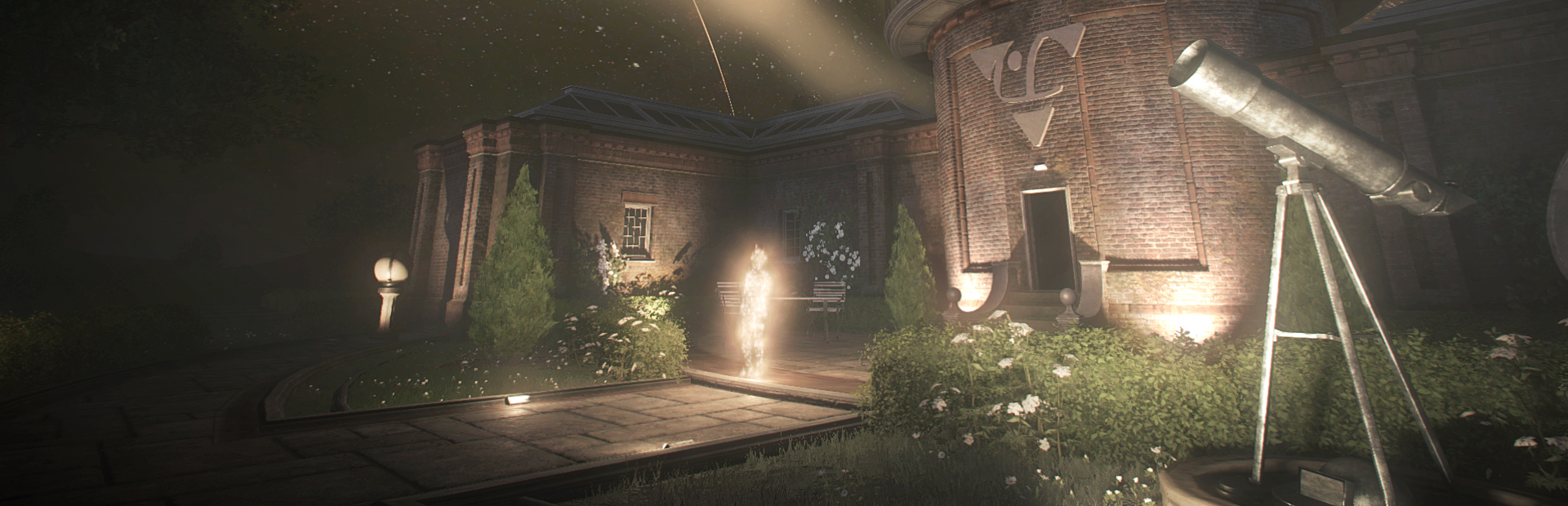
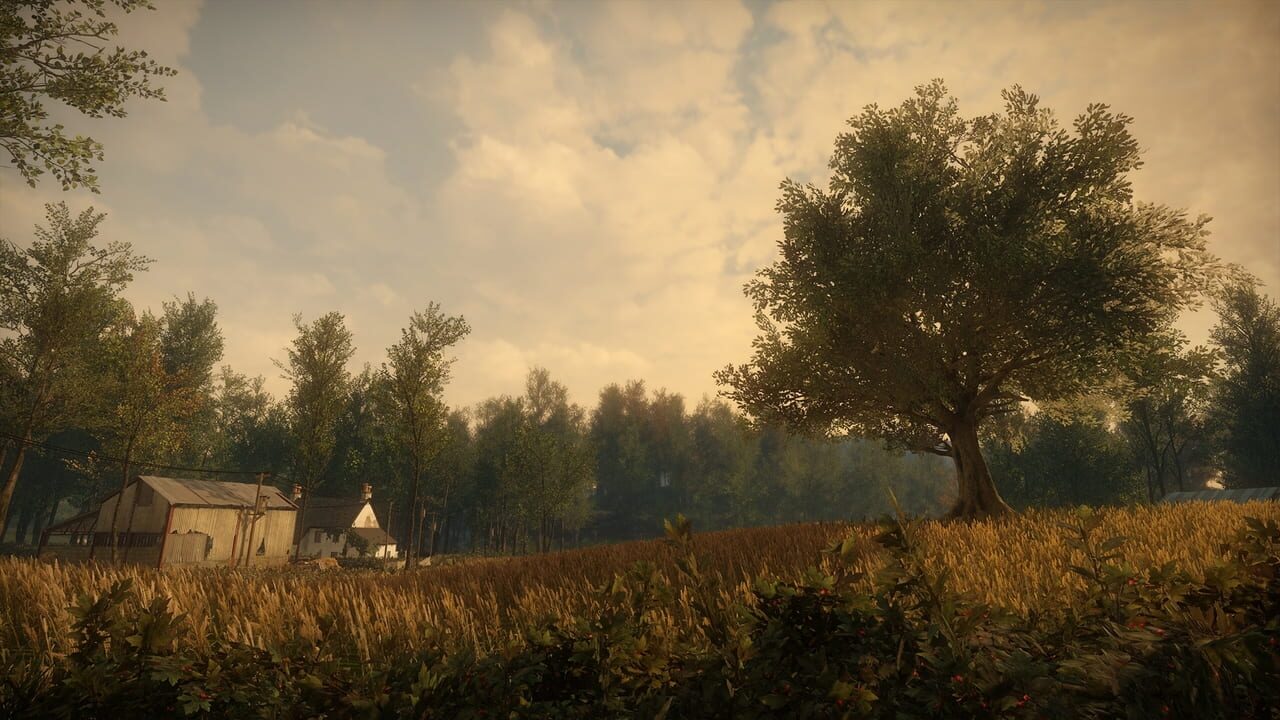
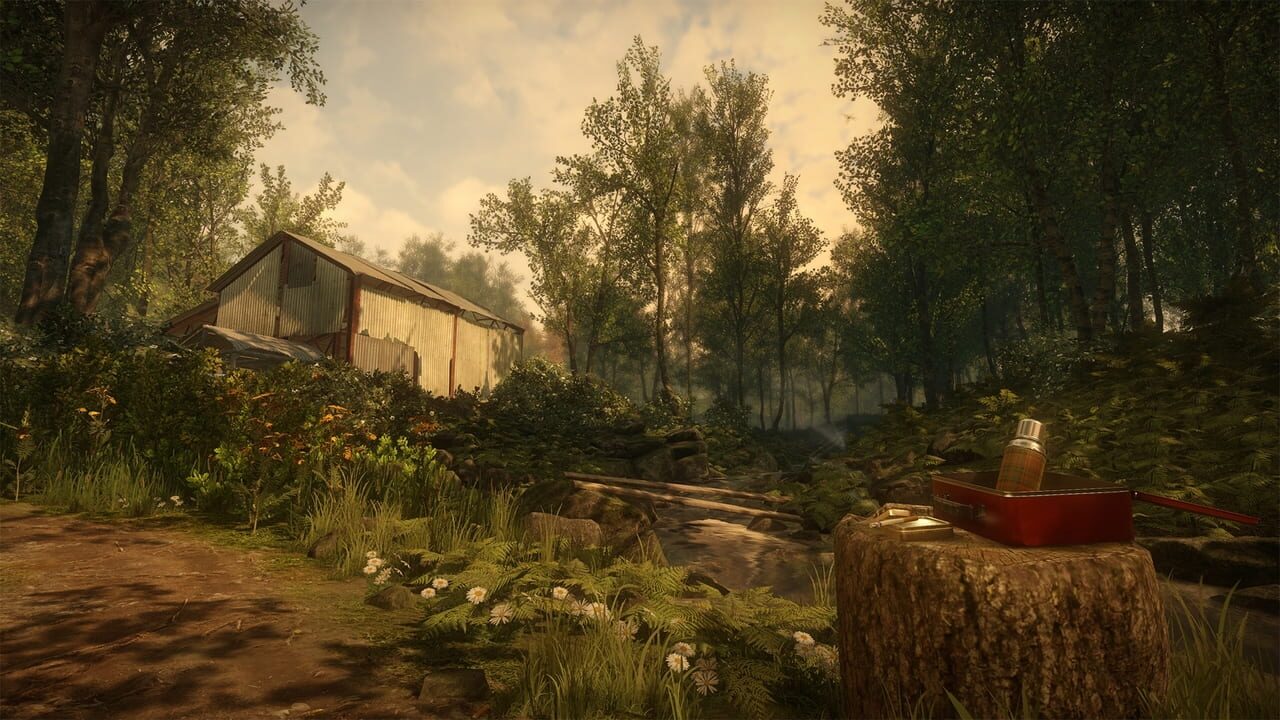
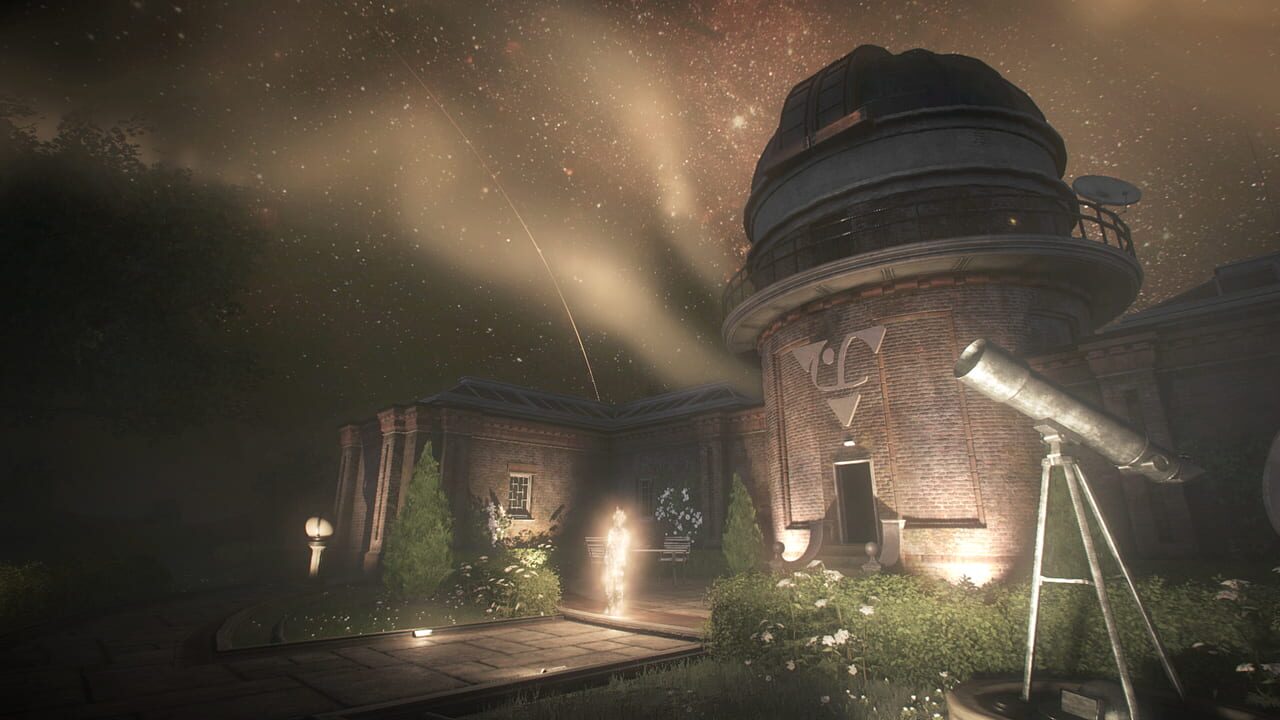
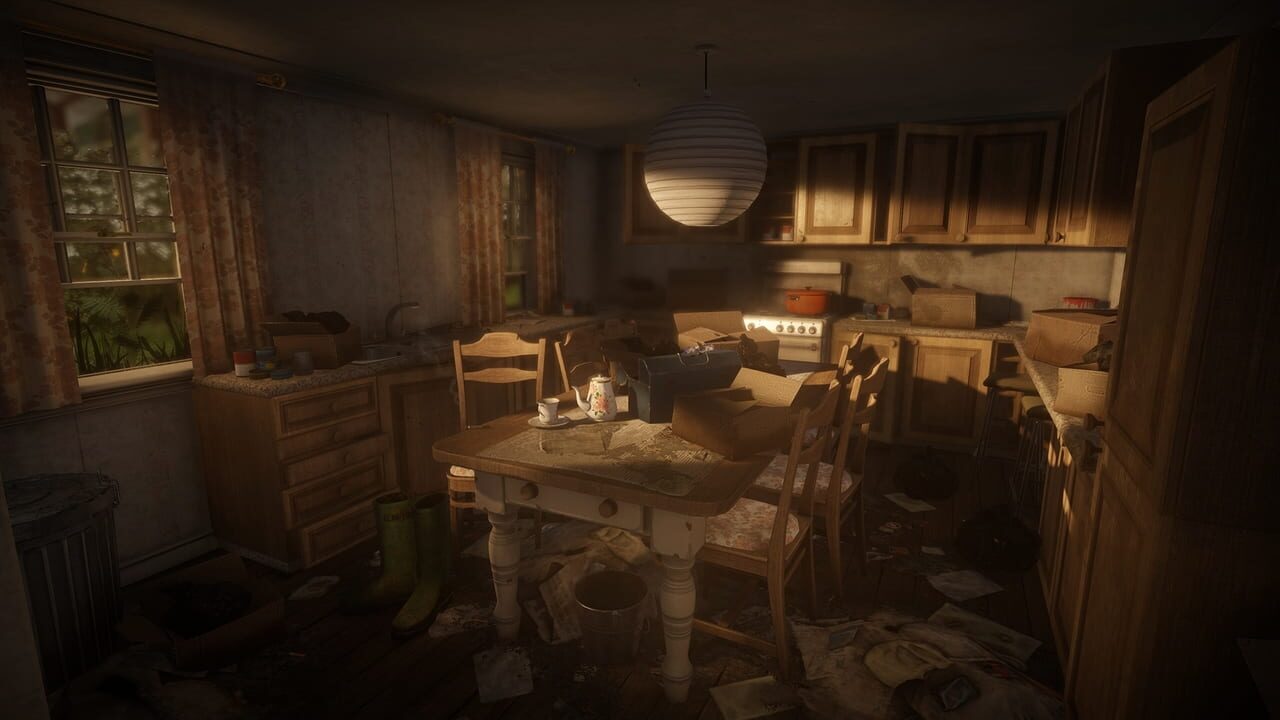
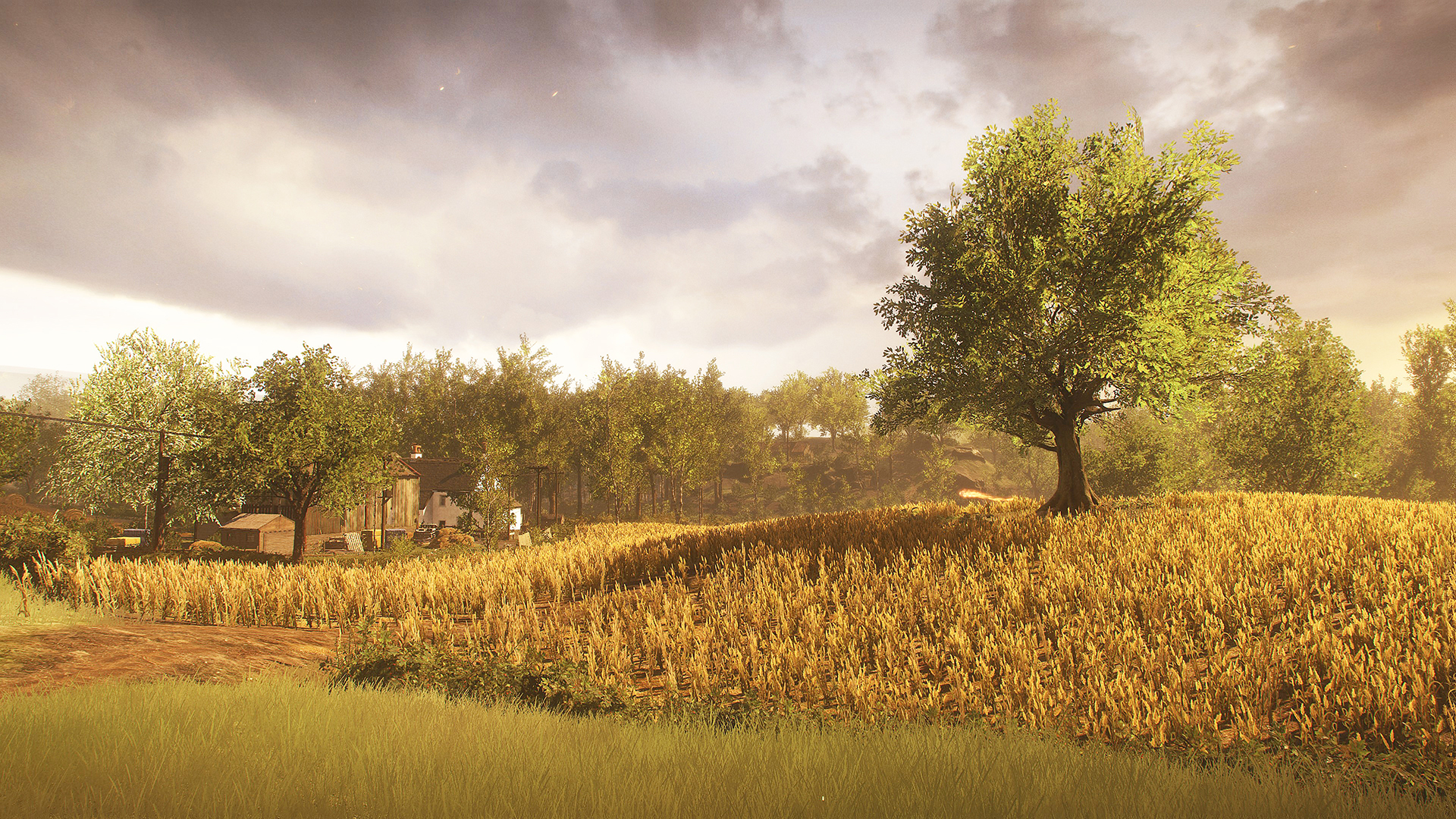
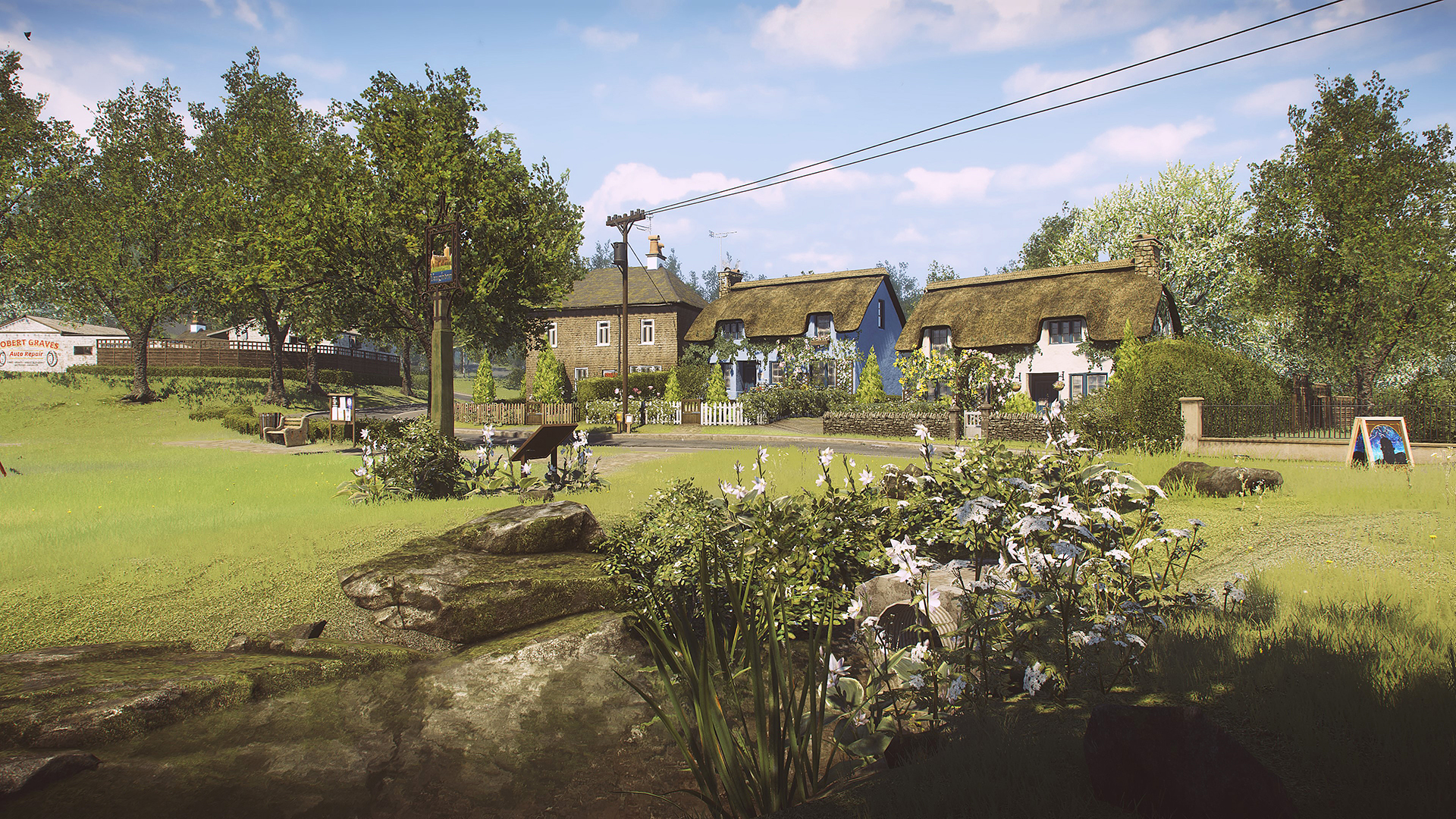
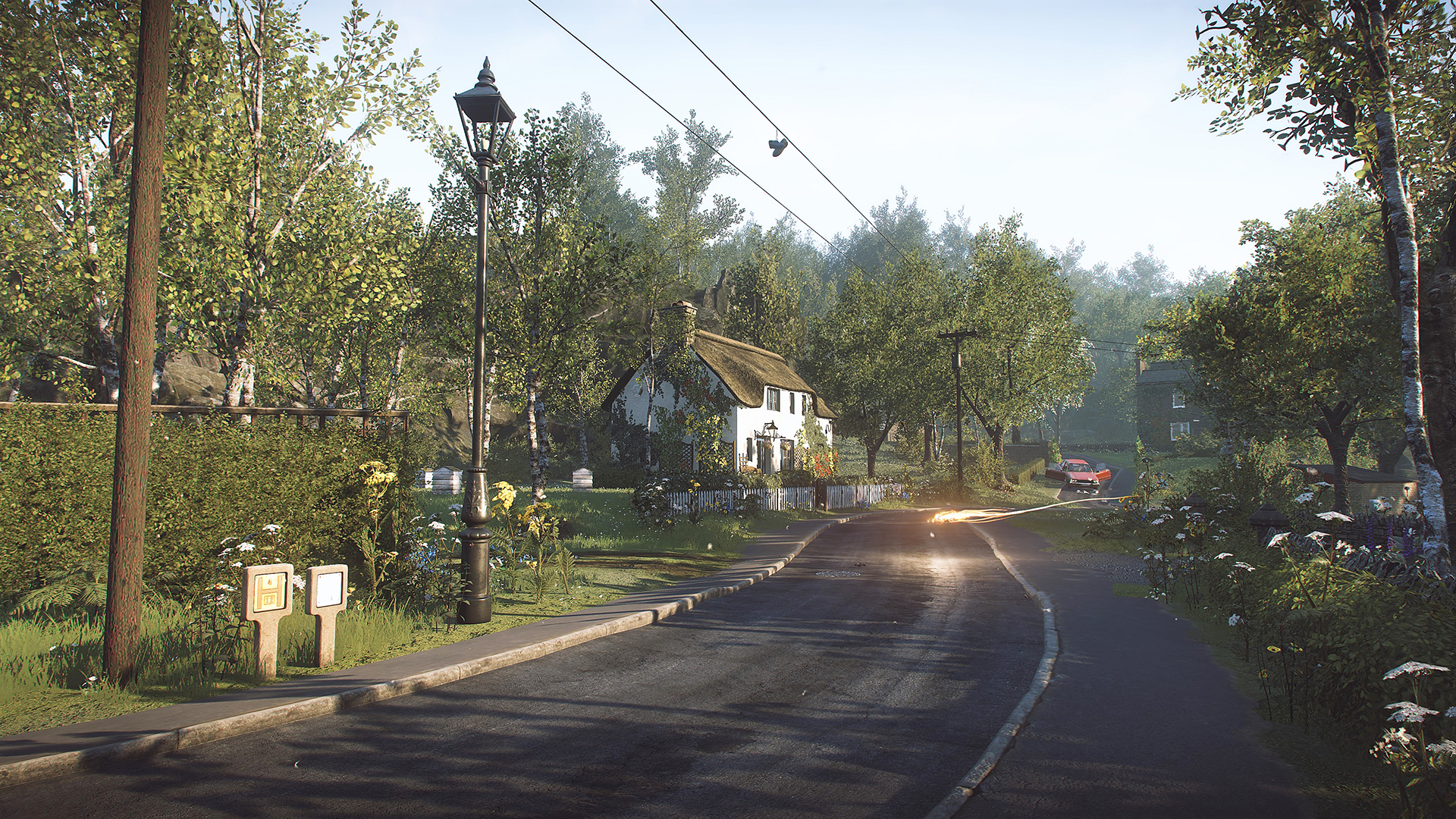
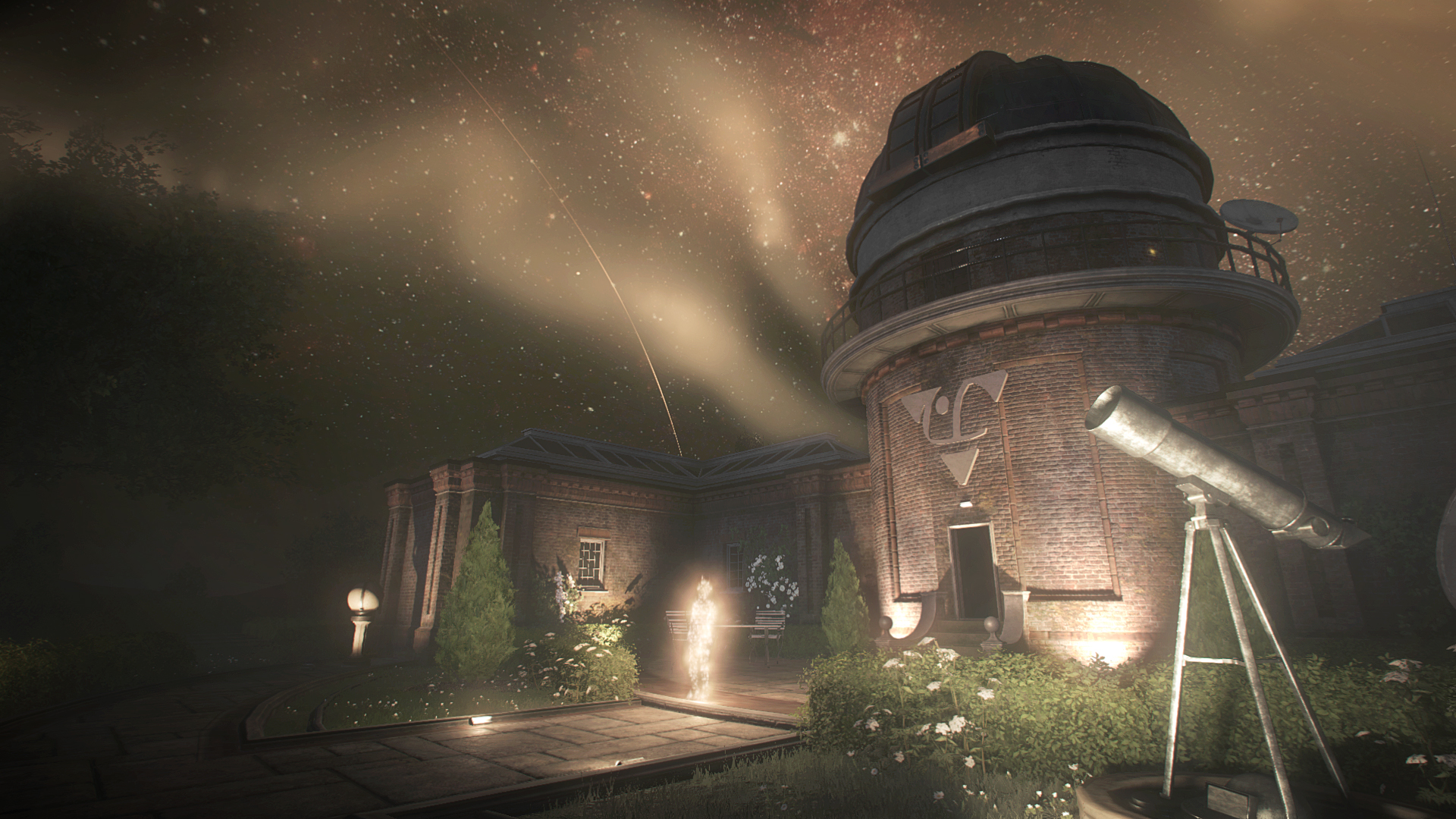
Deep within the Shropshire countryside, the village of Yaughton stands empty. Toys lie forgotten in the playground, the wind blows quarantine leaflets around the silent churchyard. Down on Appleton’s farm, crops rustle untended. The birds lie where they have fallen. Strange voices haunt the radio waves as uncollected washing hangs listlessly on the line. The televisions are tuned to vacant channels. Above it all, the telescopes of the Observatory point out at dead stars and endless darkness. And someone remains behind, to try and unravel the mystery. Immerse yourself in a rich, deep adventure from award-winning developer The Chinese Room and investigate the last days of Yaughton Valley. Uncover the traces of the vanished community; discover fragments of events and memories to piece together the mystery of the apocalypse.
Histoire (IGDB)
Everybody’s Gone to the Rapture tells the story of the inhabitants of a remote English valley who are caught up in world-shattering events beyond their control or understanding. Made by The Chinese Room -- the studio responsible for the hauntingly beautiful Dear Esther -- this tale of how people respond in the face of grave adversity is a non-linear, open-world experience that pushes innovative interactive storytelling to the next level. This story begins with the end of the world.
Description en cours d'enrichissement.
Médias


Informations Steam
Description Steam (Français)
La fin du monde s'est produite il y a 37 minutes
Yaughton, Shropshire, Angleterre. Le 6 juin 1984 à 6:37.
Au fin fond de la campagne du Shropshire, le village de Yaughton est désert. Des jouets traînent, oubliés, dans la cour de l'école, des prospectus sur la quarantaine s'envolent dans le cimetière silencieux. À la ferme d'Appleton, on entend le bruissement des cultures abandonnées dans le vent. Les oiseaux gisent là où ils sont tombés.
D'étranges voix se font entendre sur les ondes radio et du linge abandonné pend mollement sur les fils. Les télévisions sont réglées sur les chaînes disponibles. Au-dessus de tout cela se tiennent les télescopes de l'Observatoire pointant vers des étoiles mortes et des ténèbres infinies. Et quelqu'un reste là, pour essayer de résoudre ce mystère.
Entrez en immersion dans une aventure riche et profonde, créée par les développeurs récompensés de The Chinese Room, et enquêtez sur les derniers jours de Yaughton Valley. Découvrez les traces d'une communauté disparue, des fragments d'événements et de souvenirs qui vous aideront à reconstituer le mystère de l'apocalypse.
Avec un monde ouvert magnifique et très détaillé, ainsi qu'une bande originale envoutante, Everybody’s Gone to the Rapture vous offre le meilleur de la narration non-linéaire.
Éditions et prix Steam
Avis des joueurs Steam
Tout le monde se fait ♥♥♥♥♥ à Rapture. En soit si vous aimer les simulateurs de marche ce jeu va vous plaire. Des décors bucolique et très jolie d'une campagne anglaise qui mérite de se perdre a marcher. Mais purée ludiquement parlant on se fait...
BON !!! Je sais pas par où commencer… L'histoire du jeu est incroyable, perso j'ai adoré les personnages et le background de chacun d'eux, visuellement il est super beau, ce jeu est de l'art pur à 100 %. MAIS MON DIEU QUE LE RESTE EST POURRI !!!...
Très belle histoire et très bonne ambiance
oé
Mises à jour et Actualités
Sumo Digital acquires TheChineseRoom
Sumo Digital has acquired Brighton-based developer TheChineseRoom, creator of Dear Esther and Everybody’s Gone to the Rapture.Sumo, currently working on Crackdown 3, made the announcement earlier today. This was followed by a blog post from TheChineseRoom’s co-founder, Dan Pinchbeck, in which he explained the move.“Following the studio’s closure in summer 2017, we were faced with a decision,” Pinchbeck wrote. “We knew we didn’t want to just start over, trying to recapture a time in our history where a we could push out arthouse titles and survive the process. It was an amazing few years, but it came at a cost, one that I knew I wasn’t about to take on again. And it was time for a change—to make different games, explore new ideas and, if TCR was going to reboot, to evolve into something that opened up new opportunities.”TheChineseRoom laid off its entire staff in July last year, moving out of its Brighton office and entering a state of hibernation, while Pinchbeck worked to prevent it shuttering completely. Two years earlier, the studio’s other founder Jessica Curry left her job co-running TheChinessRoom to purse her career as a composer, although she still retained some presence, providing soundtracks for the studio’s games.Now that the future is more secure, Pinchbeck went on to explain his plans for future games, stating that a bunch of existing concepts which never went into production “are still very much on the table.”“Before leaving us to pursue his own games, the uber-talented Andrew Crawshaw and I worked up a new prototype of The 13th Interior, with the fantastic support of the UK Games Fund,” Pinchbeck wrote. “The game still needs a little bit of work to nail down some core mechanics, but then it’s finding the right opportunity to roll out the rest of development. It’s very much still in the plan to finish it up at some point. There were also two other concepts we were playing around with—very different types of games for us—and they will remain gently percolating in the background.”In addition, Pinchbeck plans to revisit their Google Daydream project So Let Us Melt. “Injecting more mechanics, building on the gorgeous art and audio the old team created and getting it out to a wider audience," which suggests the studio will be bringing the title to new platforms. Finally, Pinchbeck is working with Sumo Digital on a new title that will be “something bigger” than those aforementioned games.“It’s exciting times. A fresh start,” Pinchbeck concluded. “If this was a game script, a gravelly-voiced man would probably say something about a ‘new dawn’.”
Sumo buys Everybody's Gone to the Rapture studio The Chinese Room
Sumo has bought The Chinese Room.The Crackdown 3 developer said it had acquired The Chinese Room, the studio behind Everybody's Gone to the Rapture and Dear Esther, from founders Dan Pinchbeck and Jessica Curry.Brighton-based Pinchbeck is on board as creative director of The Chinese Room, while Curry will continue her career independently as a composer, Sumo said. Pinchbeck added he's now working on new concepts. In a blog post, he said The Chinese Room is talking to potential partners about a new game, "something bigger"... "something that takes a more traditional game genre - no, you don't get to know what just yet - and lets us spin our worlds and stories on top of that. It's going to be very, very exciting."Read more…
The power of spring in Horizon Zero Dawn, Everybody's Gone to the Rapture and The Last of Us
After the darkness and dormancy of winter life restarts, almost as if the punishing frosts, snows and winds had never happened. The season of spring starts to take hold, colours reappear, foliage regrows and landscapes transform to offer different looks, feels and opportunities for interaction. This can be truly impactful when it manifests in video games. Where winter revealed the bones of landscapes and their design, spring brings a softer touch, its re-birth and revitalisation draping life and colour back over lands. Spring can empower a landscape to represent and symbolise in its own way. By adding these into games' story arcs and narratives, a whole new side of the landscape can be seen and experienced - one where the land tells stories of recovery, shows an ability to cleanse and has an ability to enhance peace and quiet, all while under the drape of a colourful, full of life landscape, giving the land an entirely new look and atmosphere.Within Horizon: Zero Dawn's expansive, detailed and believable landscapes are fine spring elements and characteristics. Used through both massive and minute brush strokes, plants show spring's power on the land and establish an environmental connection between Aloy and the narrative. As a result, Horizon is a great example of how spring can shape and transform an environment and its landscapes, elevating it to something beyond a plant-filled, softer, greener playground. Small plants lead the way across Horizon's landscapes. The vibrancy and regrowth of grasses plants show the revitalisation of the land is in full swing. Swathes of meadow grass ripple across the landscape, but even grassy plants in forests and on hillsides dominate their locales. The blocks of red grasses, interacted with heavily throughout by Aloy, show the importance that one particular plant group - one that is always early to make a reappearance in spring - has in demonstrating spring's impact. The coverage of grasses is widespread and immediately shows spring's softening of the land - particularly in juxtaposition to the nearby, still-snowy areas.Read more…