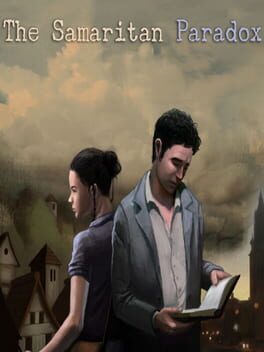
The Samaritan Paradox
The Samaritan Paradox
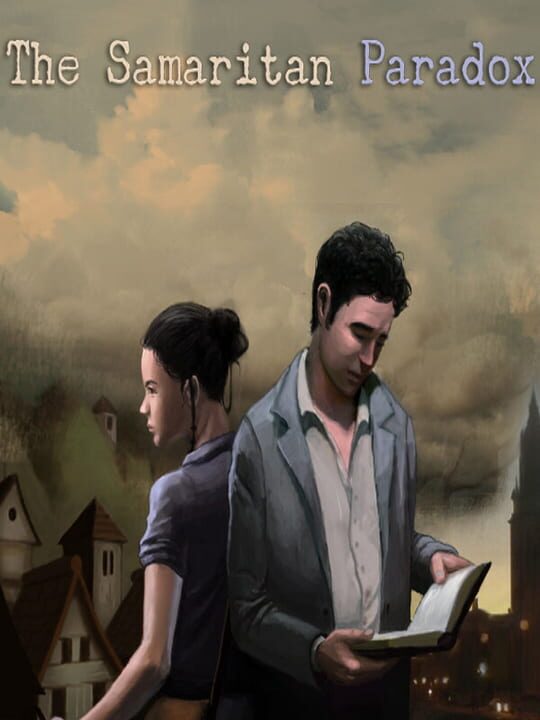
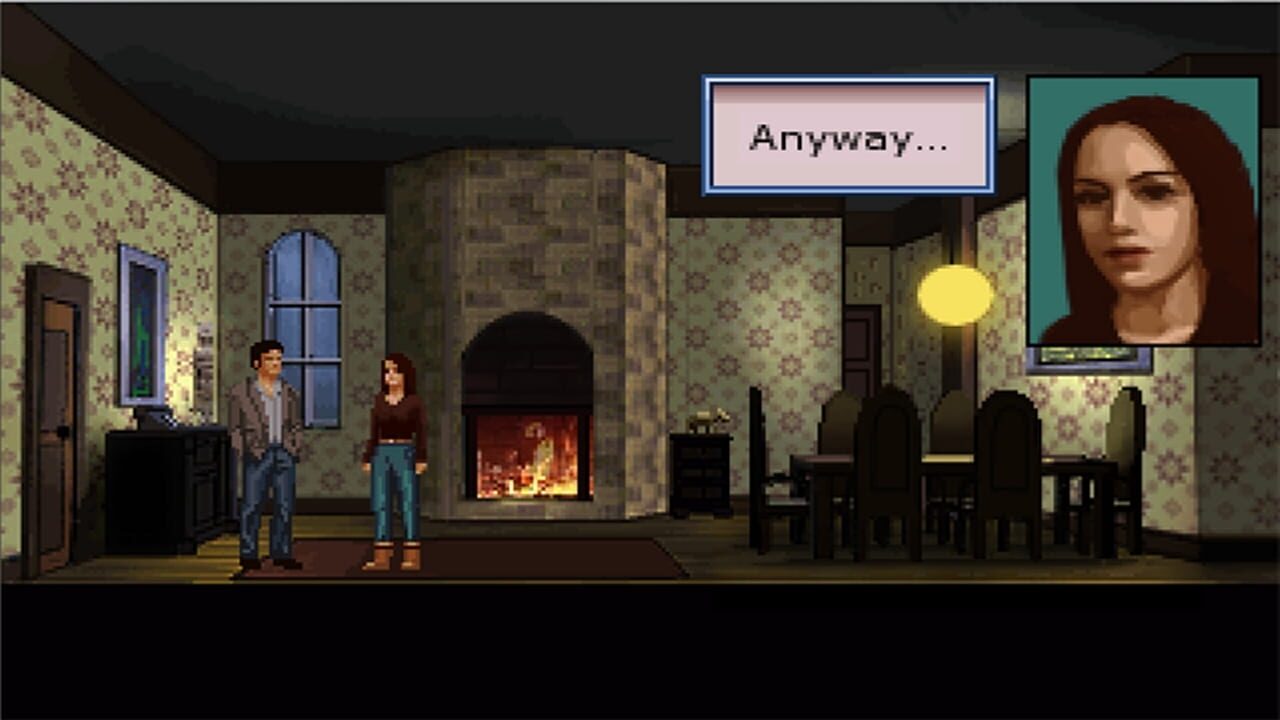
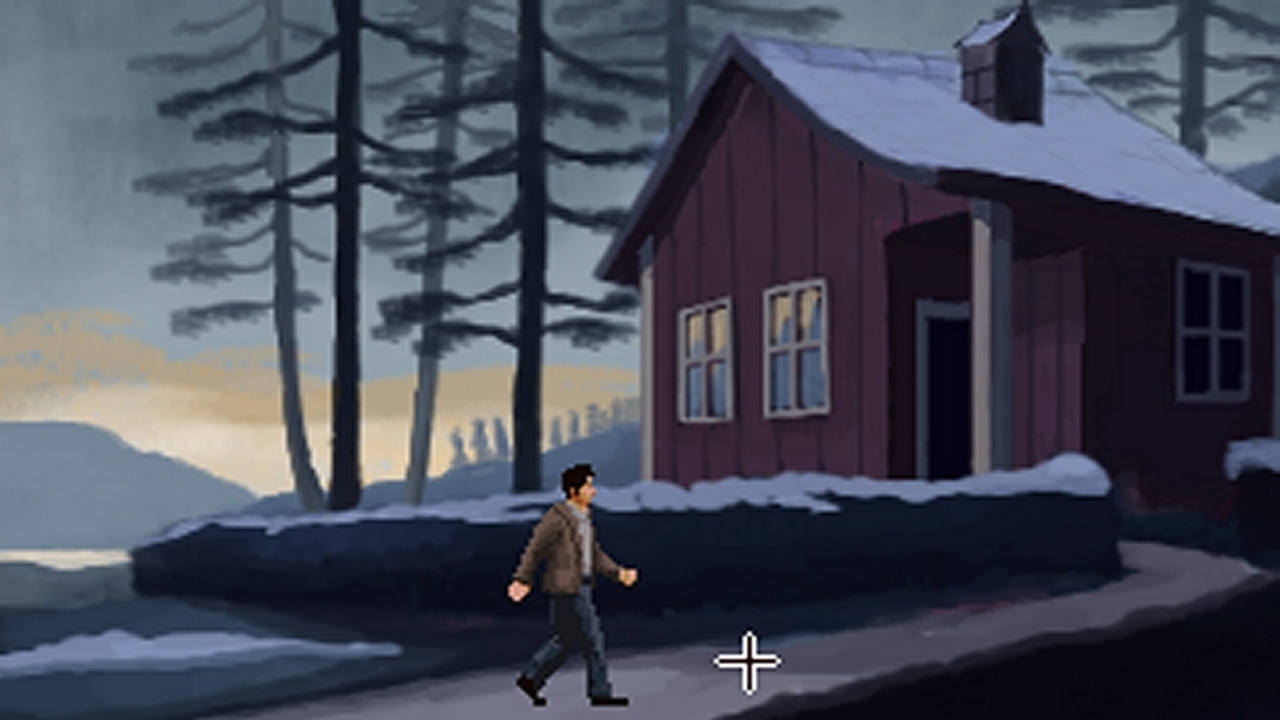
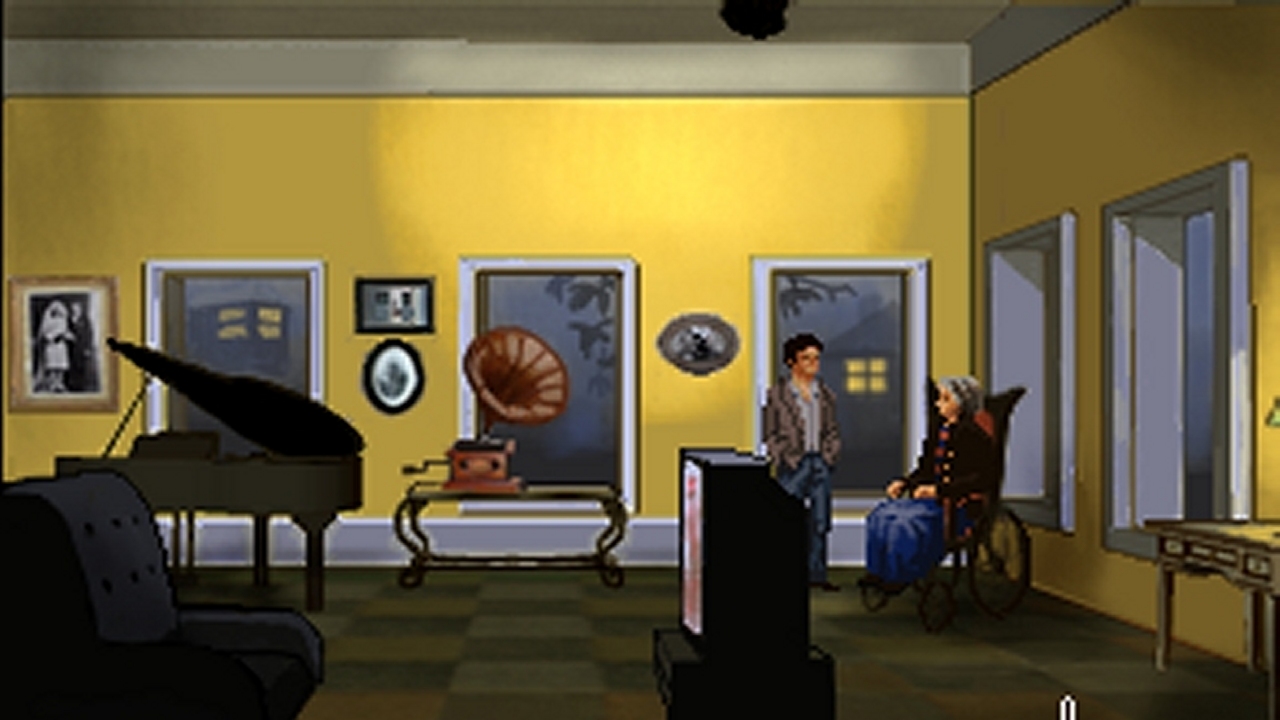
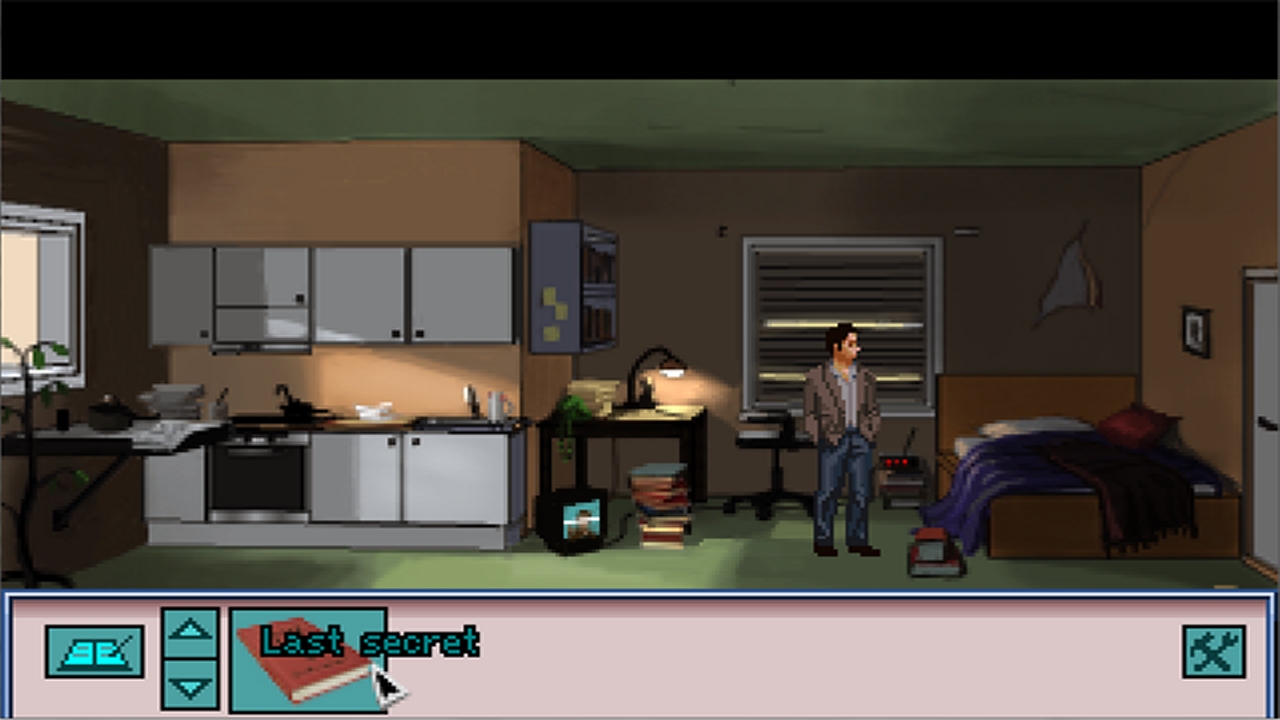
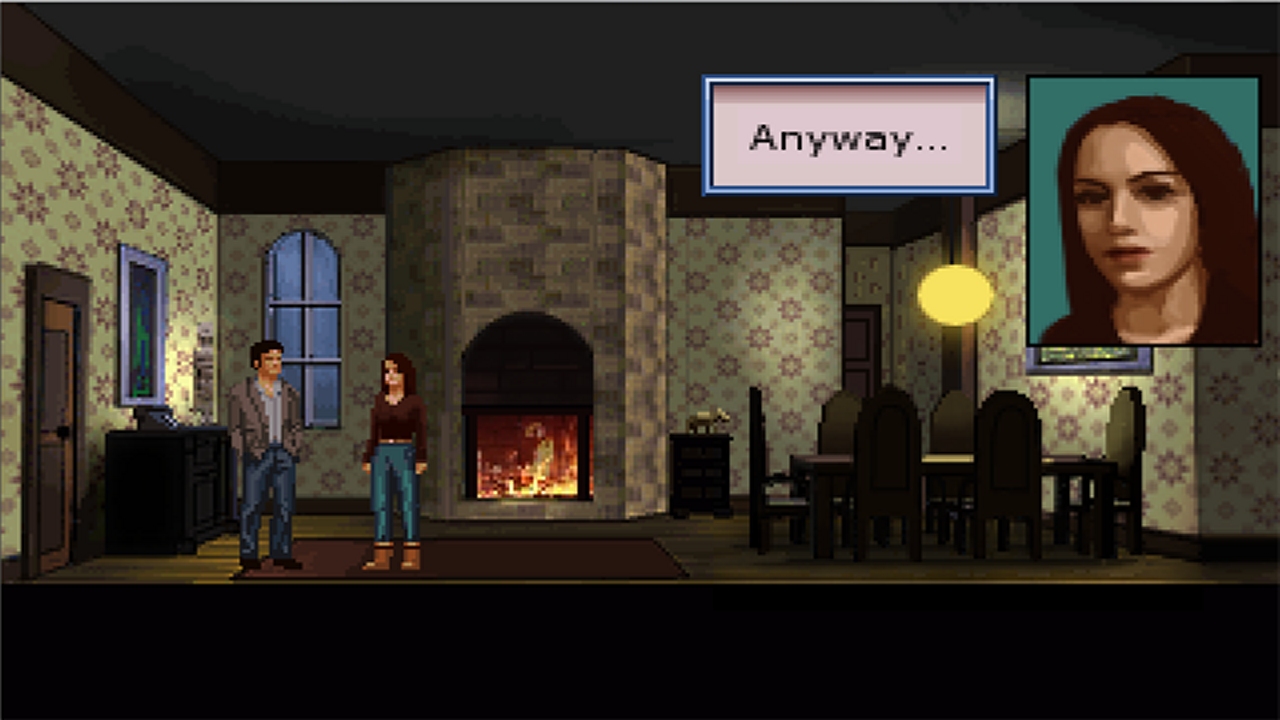
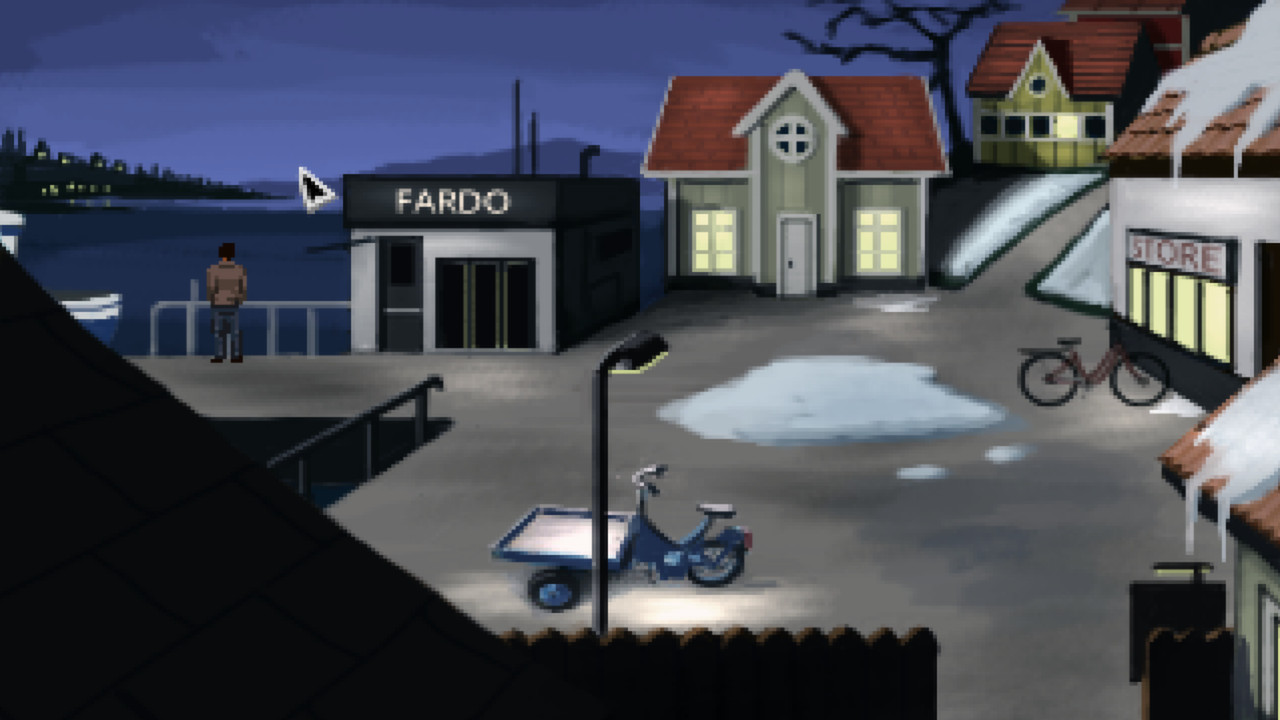
Sorti le 14 mars 2014 sur PC via Windows, The Samaritan Paradox est une aventure indépendante de type point-and-click développée par le studio Faravid Interactive et éditée par Screen 7. Conçu sur le moteur AGS, le jeu plonge le joueur dans la Suède des années 80 où il incarne Ord Salamon, un cryptologue sollicité par Sara Bergwall pour retrouver le dernier roman secret de son père, l'écrivain Jonatan Bergwall. L'intrigue, qui démarre comme une chasse au trésor littéraire, dérive rapidement vers une enquête plus sombre questionnant les circonstances du décès du père — suicide ou meurtre — et les investigations de ce dernier sur l'industrie de l'armement et ses liens avec des dictatures étrangères, le tout sur fond de secrets familiaux impliquant une mère atteinte d'Alzheimer et une île mystérieuse, Fardo.
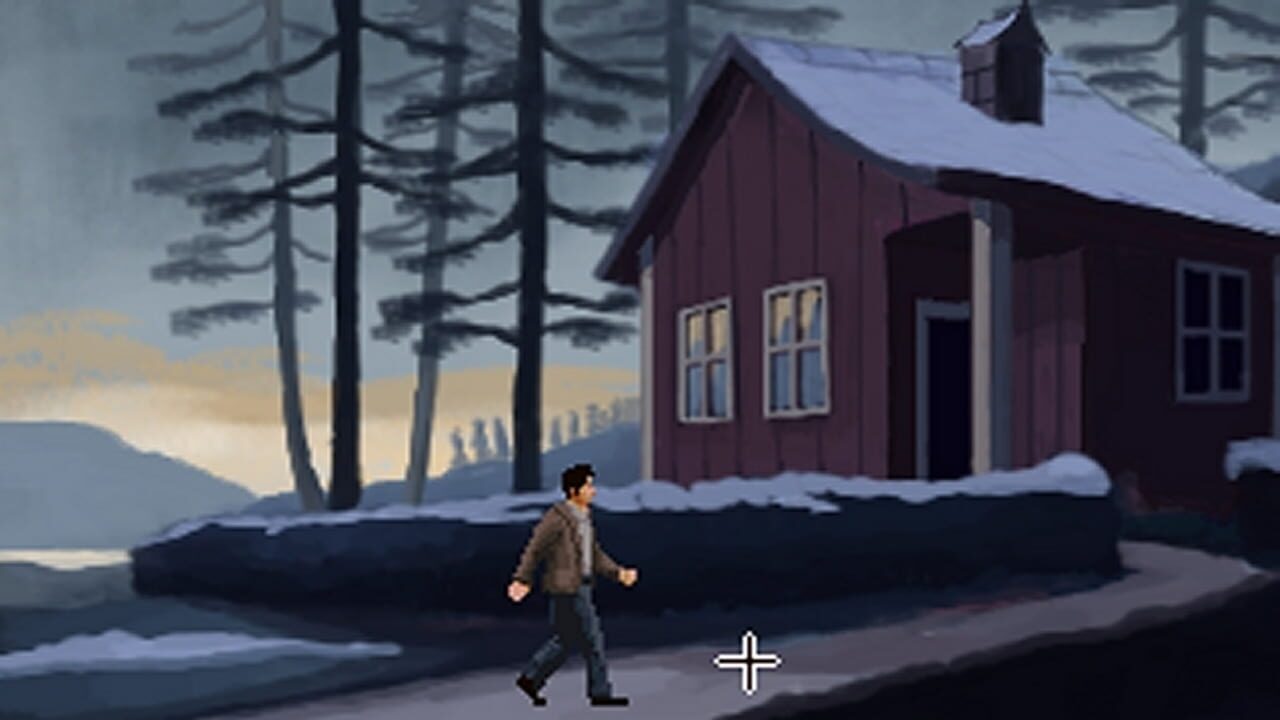
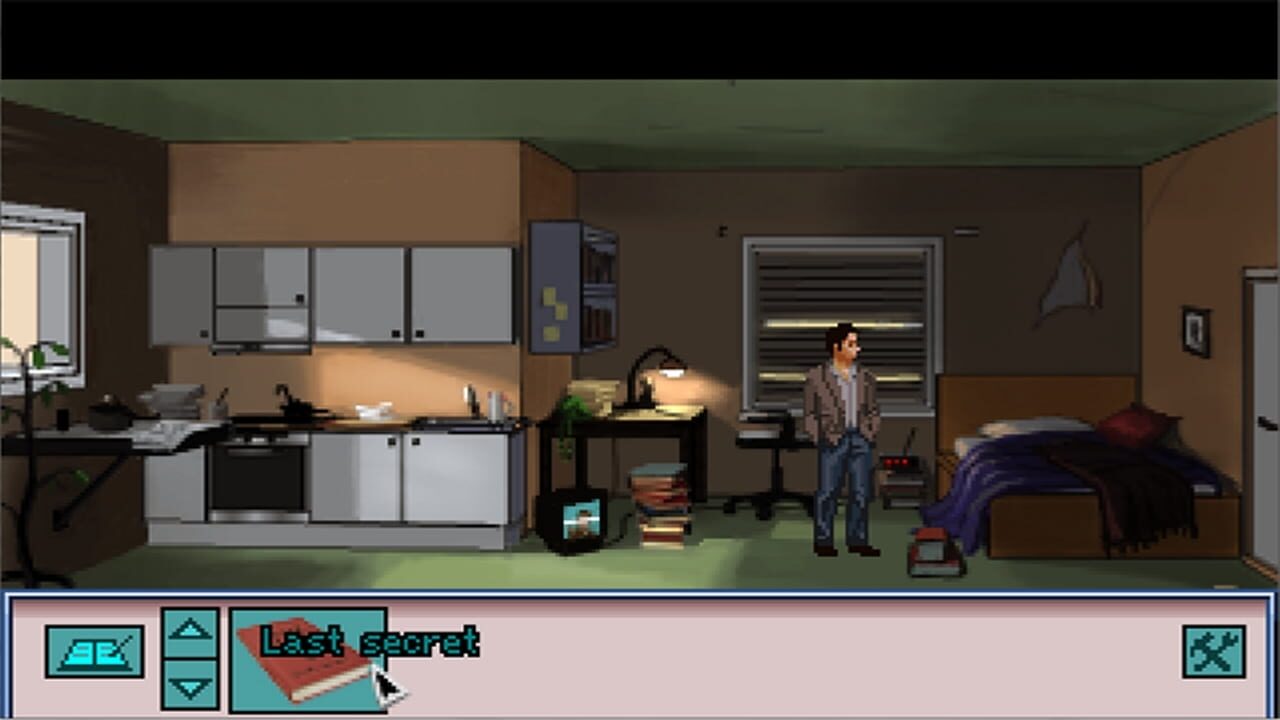
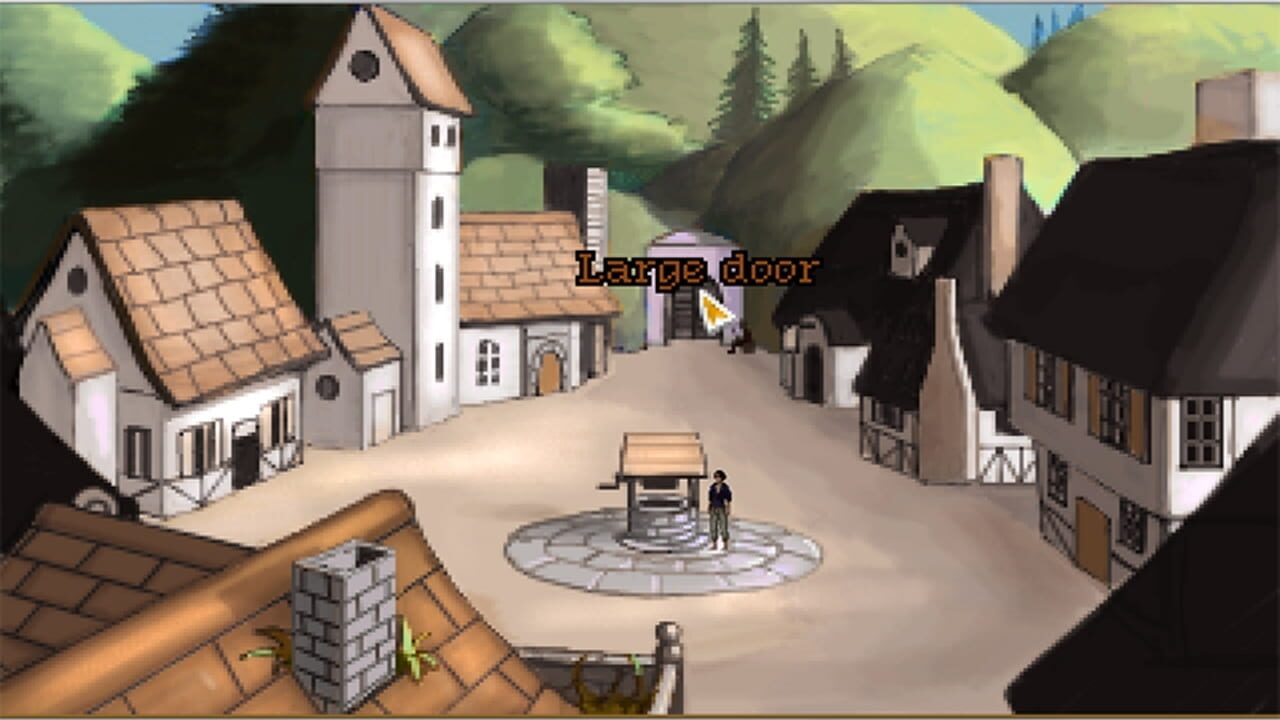
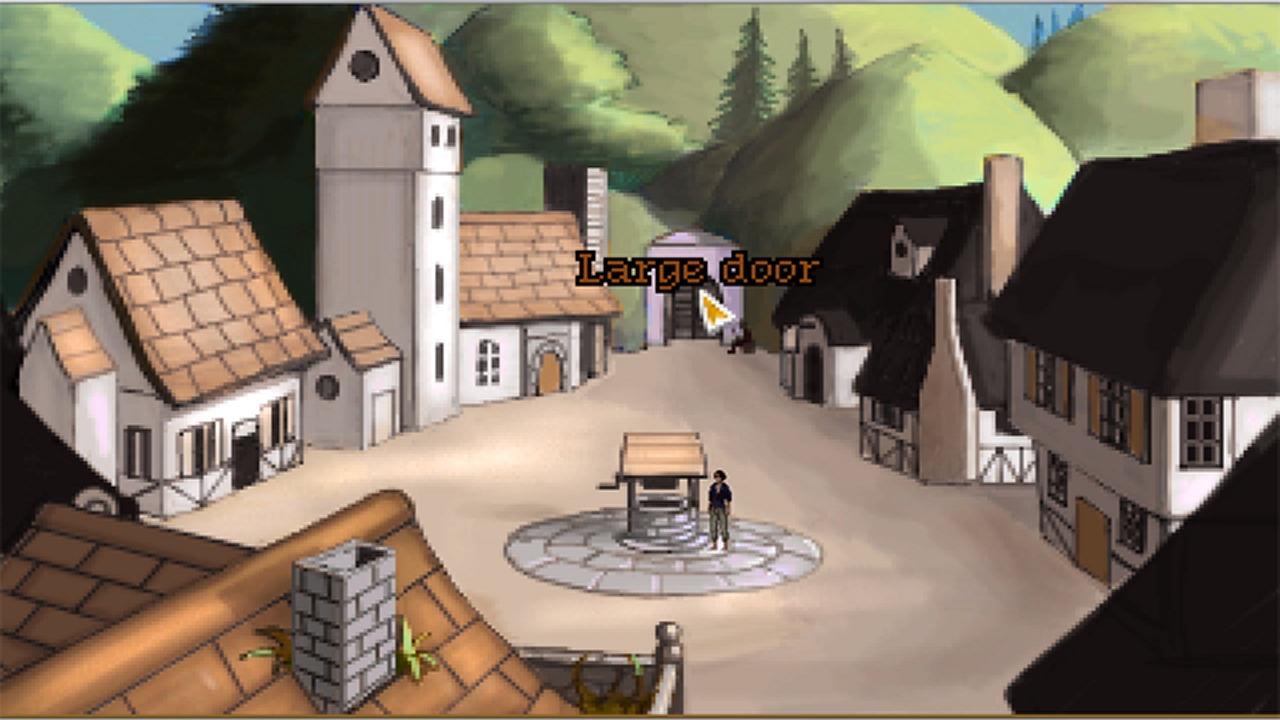
Côté réalisation, le titre mise sur une esthétique « old-school » avec des décors et des animations dessinés à la main répartis sur plus de soixante lieux. L'expérience est entièrement doublée en anglais, totalisant plus de deux mille lignes de dialogue, et s'accompagne d'une bande originale signée Lannie Neely III d'une durée supérieure à quarante-cinq minutes ; les textes sont par ailleurs disponibles en plusieurs langues européennes (EFIGS). La jouabilité repose sur la résolution d'énigmes, le déchiffrement de codes et l'exploration, pour une durée de vie estimée à environ six heures et demie pour l'histoire principale, s'étendant à sept heures pour une complétion totale. Le jeu est proposé au tarif de 1,99 EUR.
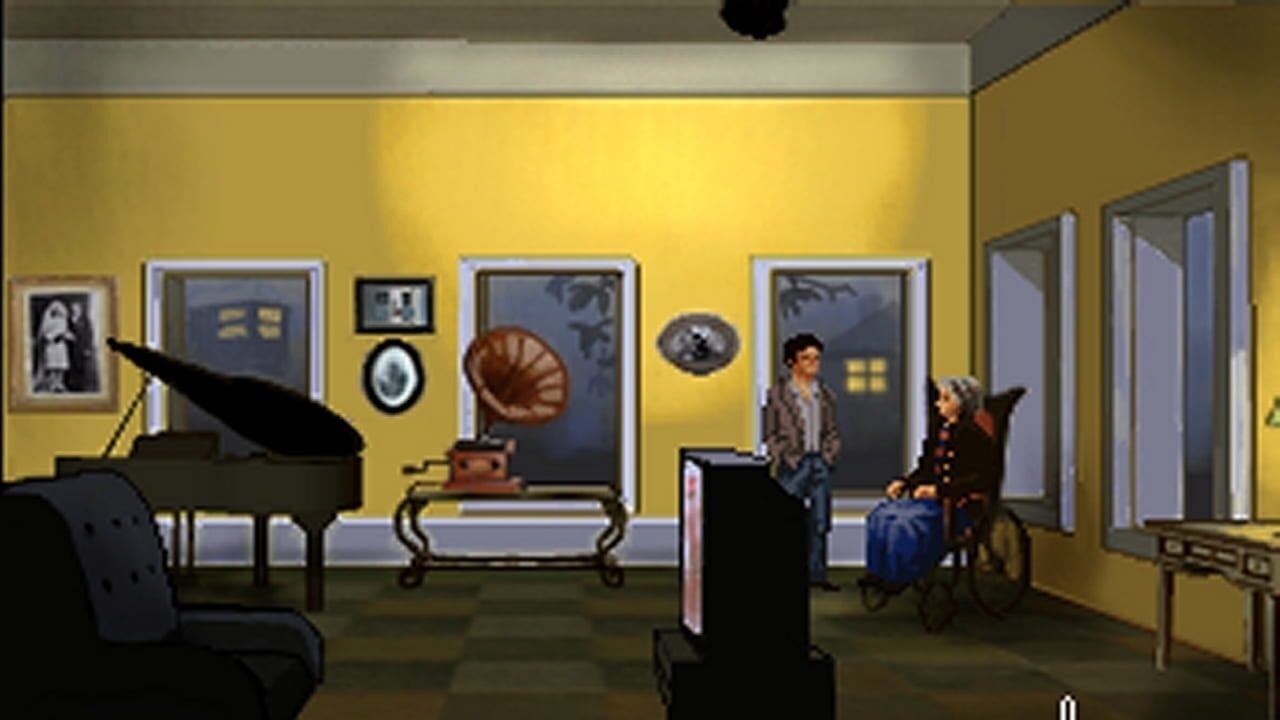
L'accueil critique et public, reflété par un score Metacritic de 75 et une note agrégée de 75,32, se montre globalement favorable mais nuancé. Le Telegraph a salué une aventure « intelligemment racontée » et stimulante pour les amateurs du genre, tandis que SpazioGames a souligné la difficulté des énigmes et l'intrigue intrigante, le recommandant aux aventuriers avertis. Du côté des joueurs, les avis divergent : un utilisateur de Metacritic a jugé l'écriture et les énigmes « affreuses » malgré une synchronisation et un style graphique réussis, alors qu'un avis positif sur Steam vante la qualité de fabrication et la force du scénario. Un autre joueur sur Steam, bien que ne trouvant pas le jeu mauvais, estime qu'il existe de nombreux autres point-and-click à privilégier avant celui-ci.
Médias


Avis des critiques et joueurs
Critiques de la Presse (Metacritic)
« It's well worth a play for anyone looking for an intelligently told, challenging story, or anyone who's a fan of adventure games which happily bring you back down to earth with a thud. »
« Tough puzzles and an intriguing story: these are the main elements of the title, which is suggested for savvy adventurers. You should look to somewhere else, if you are looking for a quick and simple point-and-click experience. »
« A political thriller whose hardcore puzzling and mechanics will greatly appeal to old school adventure gamers and fans of a good northern adventure yarn in general, but whose emotional impact is dampened a bit by characters that feel a bit forced. An impressive debut that puts Faravid Interactive firmly on the map. »
« The Samaritan Paradox is a fun retro mystery that almost reaches the heights to which it aspires, but a few minor issues prevent it from achieving true greatness. »
« A nice adventure game that will pamper the gamers with its screenplay as well as brilliant puzzles, but at the same time the gamers will be surprised by its execution and flat characters. However, despite all the flaws the game is still above its competition. »
Avis des Joueurs (Metacritic)
« While the synchro and artstyle are great, the writing and puzzles are just awful. You're a cryptologist, a friend gives you a dull crime thriller to get away from cryptology for once... and the first page contains a code. How do you decipher the code? Read the newspaper first and find out that the guy who wrote the book had a daughter which is a chemist or whatever to which the code seems to be addressed to. After you solve the code you travel to her and she's like: oh yea, my father left behind those riddles for me.... but I won't do them, you go ahead and do them. It may lead to his money... Yea, it's really delivered that dull. Now, the goal is to find one of his other books which he wrote in secret and every time you find another part of the book, you are in the story itself which turns out to be even more awful than you expected. Basically the game forces its own logic onto you, and throwing you into a really awful story. »