Famicom Detective Club: The Girl Who Stands Behind
Famicom Detective Club: The Girl Who Stands Behind
Description (IGDB)
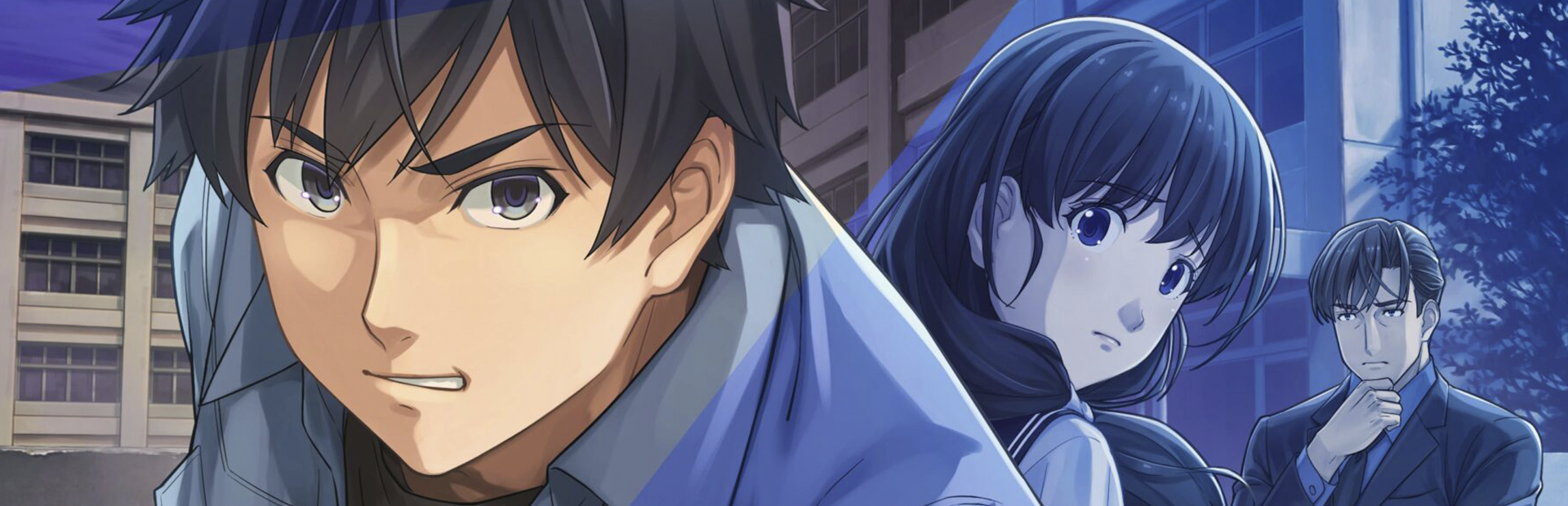
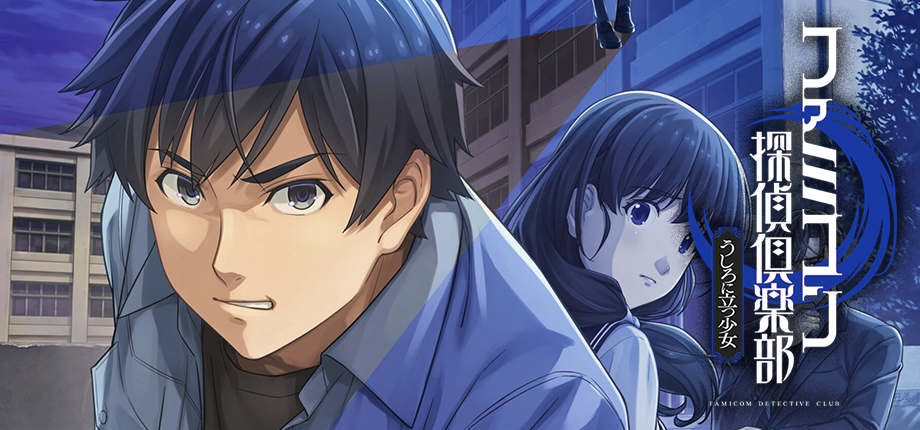
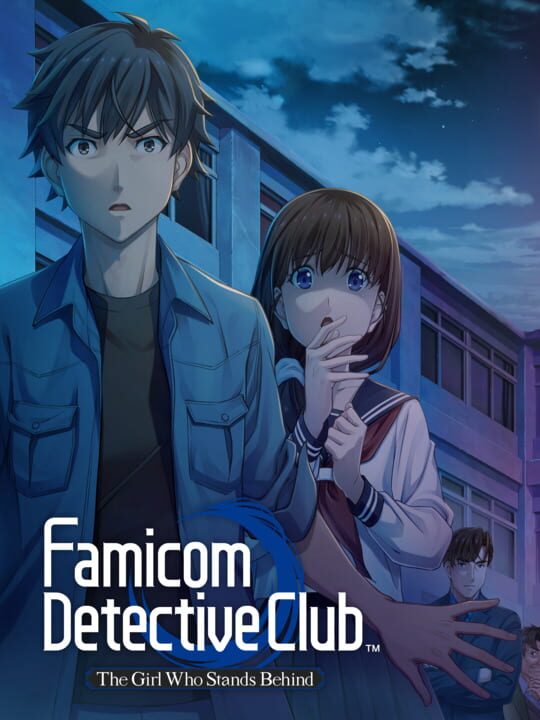
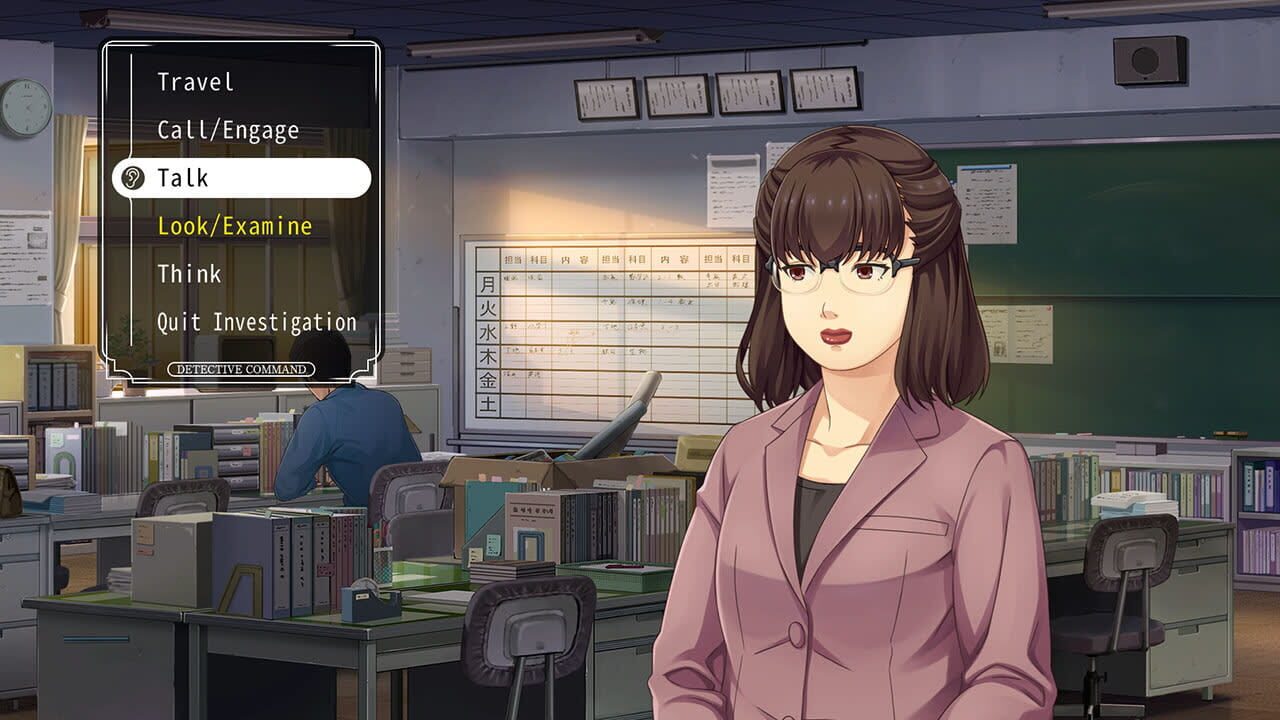
A combined remake of the second game in the Famicom Tantei Club, Famicom Detective Club, series originally released in 1989 on the Family Computer Disk System in 2 parts. It is a prequel to the first game Find the secret behind a grizzly rumor haunting a Japanese high school Interrogate suspects and hunt for clues to piece together chilling conundrums plaguing a high school in Japan. Suspense (and a little bit of horror) ensues as you try to free students from their nightmare. Play at home, on the go, or in your favorite reading nook—only on the Nintendo Switch system. Can you figure out who the culprit is...before it’s too late? Play Famicom Detective Club in English for the first time Originally released in Japan only, the Famicom Detective Club: The Girl Who Stands Behind game has been localized with English text and modernized for the Nintendo Switch system. While the graphics, music, and sound effects have been recreated, players can also choose the original 8-bit soundtrack. Discover a piece of Nintendo history with the Famicom Detective Club series of games.
Histoire (IGDB)
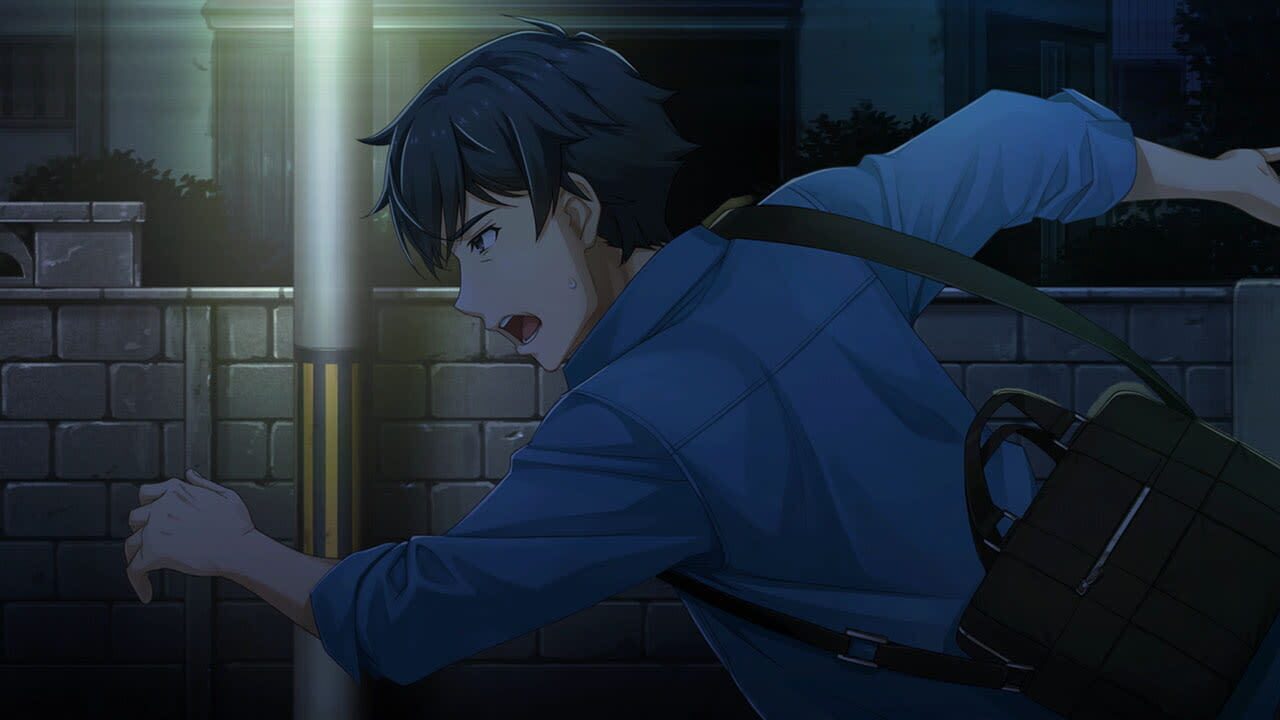
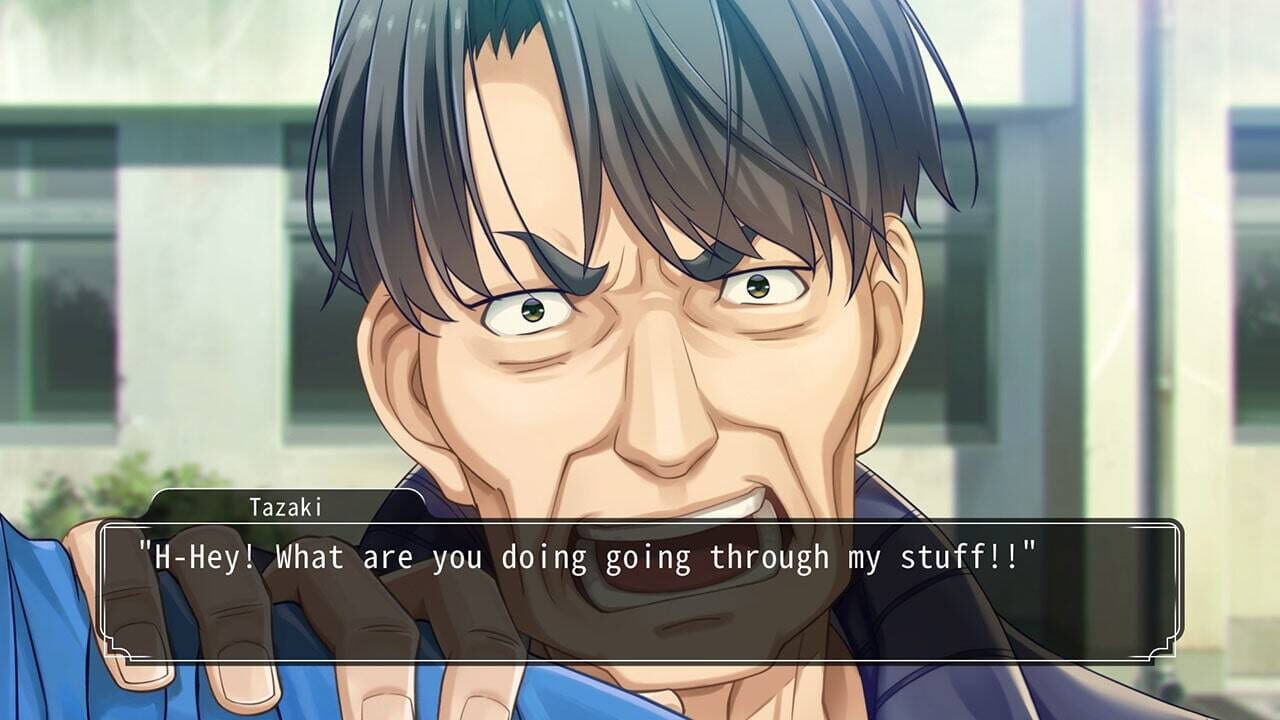
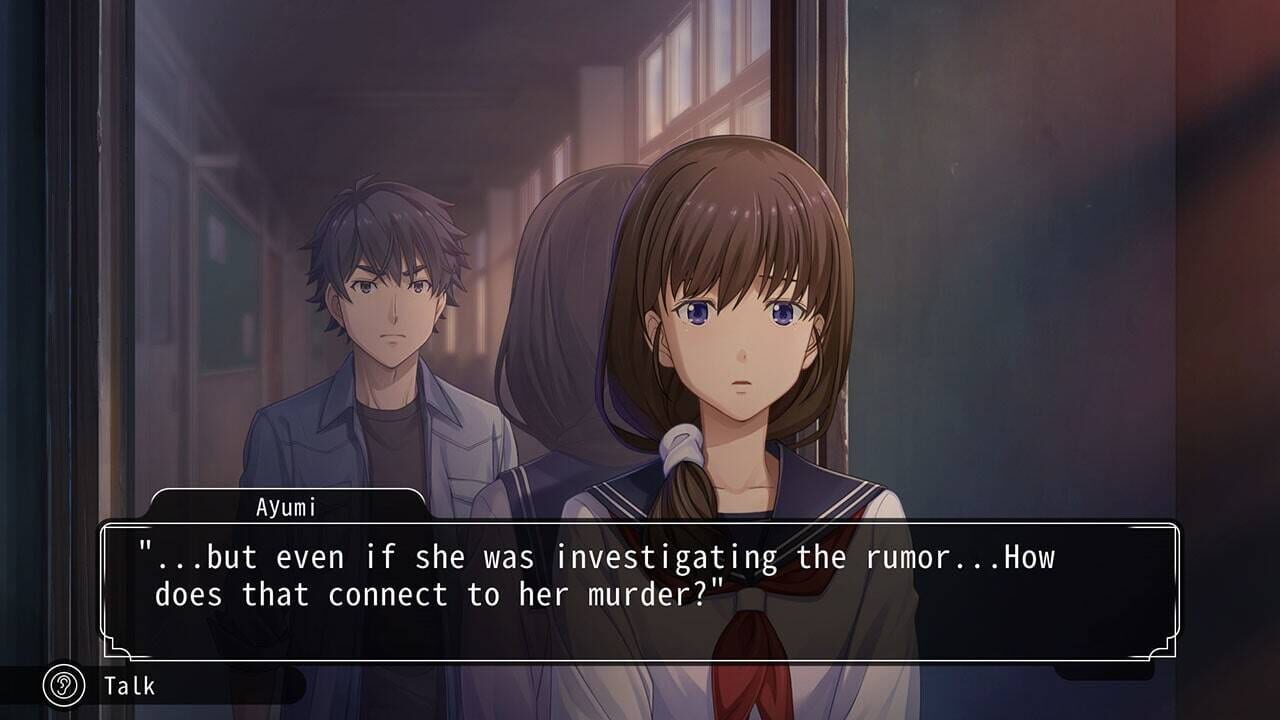
The prologue scene depicts an autumn night as a 15-year-old boy (the protagonist of the game) is on the run from two police officers. A man, respected by the police, decides to care of the situation by himself. The man takes the boy to a coffeehouse, where the boy explains that he ran away from his orphanage to find his parents' whereabouts. The man introduces himself as a private detective named Shunsuke Utsugi, and convinces the boy to become his assistant. A few months later, Utsugi and the protagonist receive a phone call to check over a crime scene. The murder victim is a freshman schoolgirl named Yoko Kojima. The protagonist begins gathering information from Ushimitsu High School to solve the Yoko case and connect it with the Genjiro Kaneda case along with the help of Yoko's two high school friends; a girl named Ayumi Tachibana and a boy named Hitomi Kawaii. It soon emerges that Yoko was deep into an investigation of "The Tale of the Girl Who Stands Behind," a rumor involving a ghost of a blood-soaked girl that stands behind a student, and the trio set out to discover the truth behind this rumor.
Description en cours d'enrichissement.
Médias

Avis des critiques et joueurs
Critiques de la Presse (Metacritic)
« The Famicom Detective Club games are excellent, highly traditional detective mystery stories. Some might see that as "quaint", "old", "antiquated" or even "simple." That's simply our cultural experience talking. The reality is that these games are highly relevant to the Japanese understanding and interest in the genre, entirely modern, and the core storytelling experience is so modern it's easy to forget that they're remakes of NES-era classics. Throw in some of the most stunning VN art from the very masters of the genre, and this little collection of two titles has every chance of becoming one of the sleeper hits of the year. And, who knows? If it finds the audience it deserves, it might just inspire Nintendo and Mages to make a new one. I'd be up for more Famicom Detective Club. »
« The fact that Nintendo would remake Famicom Detective Club at all might be one of the most welcome and unexpected surprises of this year, and they’ve turned out remarkably well—dated puzzle design notwithstanding. An art style that combines the best parts of visual novel stills and fluid animation helps to lay the groundwork for a pair of truly engrossing detective stories. The way each mystery unfolds as you piece together the clues is nothing short of masterful, with the atmosphere, nuanced storytelling, and emotional underpinnings to tie it all together beautifully. »
« Famicom Detective Club holds your attention from first the first frames and to the credits, even if you know the genre like the back of your hand. Every piece of the story works in a tandem, creating a dark and twisted adventure with believable characters. Every session with Detective Club is an adventure of its own, and when you put the game down, it's hard to not delve on what will happen next. »
« Famicom Detective Club is a fantastic revitalised visual novel, let down only slightly by its lacking narrative options and gender selection. I would say that this is the best visual novel game I have had the pleasure of playing. »
« Famicom Detective Club: The Missing Heir & Famicom Detective Club: The Girl Who Stands Behind provide us with two remarkable stories. Furthermore, artistically the game is impeccable, which is due to its polished anime-like graphics as well as its tracks and voice acting. »
« It feels like a bit of a shame that this is the case, because The Girl Who Stands Behind‘s visuals and full voice acting act as firm yet soft cushioning that can very well welcome onlookers and entice them to take those first steps into the genre. Nevertheless, It’s a solid enough game that makes it worth a try for those interested in the subject matter—remember to check out The Missing Heir first—but be prepared for a few rocky patches on the way up. »
« With an amazing story full of murder and mystery, Famicom Detective Club is a remake worth investigating. »
« And it would be a shame that after reopening the Famicom Detective Club "case", Nintendo does not follow up on the saga, because here is the material and there are the characters to give life to a long and beautiful series of detective stories. »
Avis des Joueurs (Metacritic)
« It is like reading a book but better because of actual animations! Must play for people that like good stories or played the original 30 years ago. »
« This game is really something special. It shows what Nintendo's greatest minds are capable of without trying to make a product for general audiences, and and it shows the inspiration and influence Nintendo has given to game developers over the years. Like the developers of this remake, MAGES, who wanted to remake it because they were huge fans when the series was alive and strong in the 80s and 90s. For me personally, the SNES version is one of my favorite games of all time, and if I could rate it, it'd be an instant 10/10. But this remake doesn't quite capture all that makes it special. The music, which is central to the tone and atmosphere, is often ruined in one way or another. Thankfully you can switch osts at any time, so it's not my biggest issue. The lighting in scenes is great, but it's not dynamic like in the SNES version, and characters don't directly follow the lighting of the scenes, unless the sprites are specially made for that scene. The little gameplay tweaks are great. It's good that you can speed up text, and review what has just been said, the UI is simple, but you can't quick scroll through menus anymore, which is weird. And, why do you have to click on the stick to move the cursor faster? It's so awkward. The general progression retains all the aspects of the SNES version, for better and for worse. Like, there's no reason you needed to keep the clock inspection in chapter 7, because that was never even in the original Famicom version. You had the chance to take out the one unnecessary addition to the SNES version, but no. But then there's the translation. Now, I'm holding this game to the standards set up by the SNES version, which has had a fan translation for years, and despite my high acclaim for it, there are definitely moments that look rushed and amateur-ish, where it looks like it was run through Google translate and thrown in without testing or a second thought. Most of the time, it's fine though. This remake on Switch feels much more refined, like it was actually done by professionals. Again, for better and for worse. There are several moments where you can inspect girls in the SNES version, and they call you a weirdo, which they should. In the Switch remake, almost all of these moments are completely censored, as the characters just stare at each other and say literally nothing, but still make weird grunts. It's really stupid and immersion breaking, but the worst offender is the chapter 8 scene. Now, I didn't even know about this for a year, because there was no reason for me to initiate such a terrible scene. On it's own, I already hate everything about it, as it completely breaks the now established relationship between the protagonist and Ayumi. But the protagonist still faces the consequences of his actions in some way. In the Switch version, not only did they keep in the scene, but they censored the hell out of it, making it about bees. It's like, this is an all or nothing situation. Either completely remove the scene in all versions, or keep it in with everything that makes it bad. The fan translators went with the latter, so it's faithful to the original Japanese script of the SNES version, and you hate everything about the scene for all the right reasons. But Nintendo of America tried going down the middle of the road, and ended up making it worse than ever. Now, I don't want to specifically mention where and how you initiate this scene, because it's completely optional, and was never supposed to be in the game in the 1st place, since it's not even in the Famicom version. And playing the game without knowledge of this scene is ideal. I know that's counter intuitive because I just mentioned it, but 1: It's a topic that can still be discussed maturely by people who don't have half a brain cell in which they use to review bomb a game because Nintendo is " JUST LIKE CHINESE GOVERNMENT!!" and 2: this is a review where I want to express everything I want to about this remake, and what it does right and wrong. And in my opinion, while it will never replace the SNES masterpiece, it's a fine way to play this game, and it's a miracle we even got it in the west. If you really do care about the interesting games Nintendo has made, and if you want to see an interesting turning point in the Japanese adventure game/visual novel scene that lead to games like Ace Attorney, please support this game and actually buy it. Because a lot of what makes the game special is still here, and it should be experienced 1st hand. »
« GAME IS CENSORED! Don't buy this game, if you are against censorship. Nintendo acts themselves as the Chinese government and they are no different than communists in this aspect. Look it up, there's a good video explaining the censorship »
« So, i played this game after 9 years for the last time i completed the SNES remake. Famicom Detective Club part 2 is an old game, a really old, 30 years from the original famicom release, was one of the many experiments of Nintendo to made IPs from their console, so i can pass a lot of "mistakes" that i felt when i played this game and the SNES remake. Don't forget that this game is form the 80's so much things are from that era, there where a lot of improvement on graphics and music, and of course an AV on the switch release, which is a full air refreshing thing, Nintendo keep the mechanics and the story like the original game, so there's no much changes about it. This game makes you thing and even backtracking somethings in one place, you can't go foward a lot of times because you need to keep an eye on every detail after you choose a desition thing when the MC is thinking about the situation. Like a detective game, there's plot twist that mades you thing "oh, im in the final part of the game" but its only another thing that you might be research from your main investigation, until you're on the final part of the game. The game itself is short, if you're not experienced with this kind of games, you can spend like 15-20 hours of gameplay, replaying this game can short that gap even in less than 5 hours. This is one of my favorites games of Nintendo itself, i recomend it to explore the early years of the Famicom, obviously playing on the switch. »
« After 30 years of being locked in Japan, Nintendo has remade and released the Famicom Detective Club games stateside giving a chance to try their only murder-mystery visual novels to date. These games (made by the creator of Metroid) were a wonderful ride with beautiful visuals, an amazing soundtrack that is worth pausing to jam out to, and two incredible stories filled with twists and turns all the way to the very end. Each journey tells a very different type of story, this one being a straightforward murder mystery. Both hint at supernatural elements, overturn theories you may have come with along the way, and save the biggest plot twists for the final hours. Never at any point were these games predictable, and even if you can guess some things, you can never guess everything and it's a great feeling. These games are not perfect, as they're very faithful remakes that sometimes make the greatest challenge of the game just trying to play it. You'll have to mash the same prompts over and over, check random things, then try prompts again... It's frustrating, and sometimes finding a guide is the only practical solution. But even with those frustrations aside, seeing the groundwork that would inspire games like Phoenix Wright was an absolute joy, and a must play for fans of murder mysterious that keep you on the edge or your seat, visual novels that seemingly come to life with flawless uses of the environments, or really anyone who wants to experience a lost piece of Nintendo history, these are definitely worth picking up as a bundle. I'll always remember my time with these games fondly, and I'm certain I'll find myself listening to the soundtrack on more than one occasion. »
« A prequel to the first Famicom Detective Club, this remake offers an equally riveting mystery. Just like the Missing Heir, the music and visuals have been completely overhauled, both of which are fantastic in this version. The scope is increased from the first title, the amount of characters and locations is noticeably larger. The narrative manages to be just as engaging as it's predecessor, with there being many satisfying pay-offs. While most of the game is of about the same quality as the Missing Heir, I found the finale of this story to be superior in terms of narrative cohesiveness. Unfortunately this remake does still retain a few of the dated mechanics and obtuse systems from the original Famicom game, but they're minor enough that these don't detract very much from the overall experience. I highly recommend playing this phenomenal duology of games, both are well worth taking the time to play. »